
The field guides
Notes on fabric, fit and finishing touches to help you choose a piece with confidence.
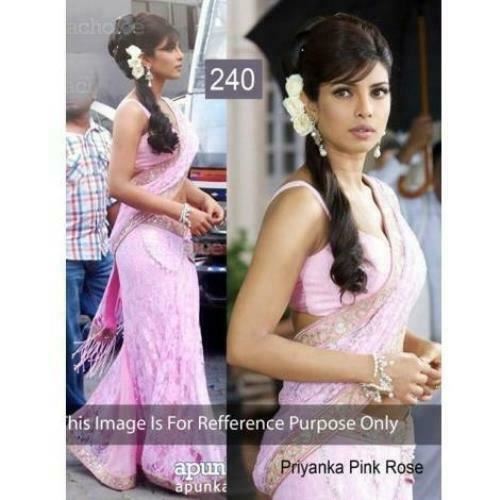
Choosing a saree
Two sarees can be almost the same shade of blue and ask quite different things of the wearer. One wants a soft fold over the arm. The other makes a wonderful fan of pleats. Here is how to decide which belongs in your wardrobe.
Read guide →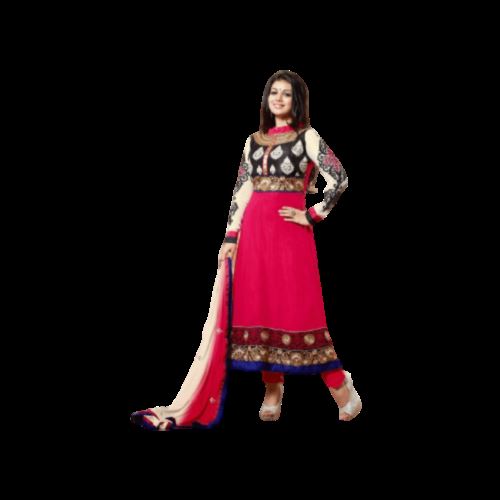
A guide to fit & stitching
A size label answers very little on its own. A measurement on an uncut panel, a measurement on a finished kurta and a measurement around your body can all be correct and still mean three quite different things. Knowing which number you have is half the fitting.
Read guide →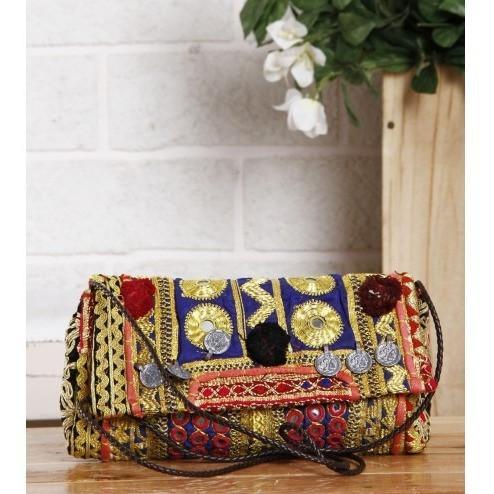
The finishing details
Sometimes the best finishing touch is the piece you take off. Before buying a necklace, a bag and a wrap for the same outfit, decide which one has a real job. That makes room for the detail you actually want people to notice.
Read guide →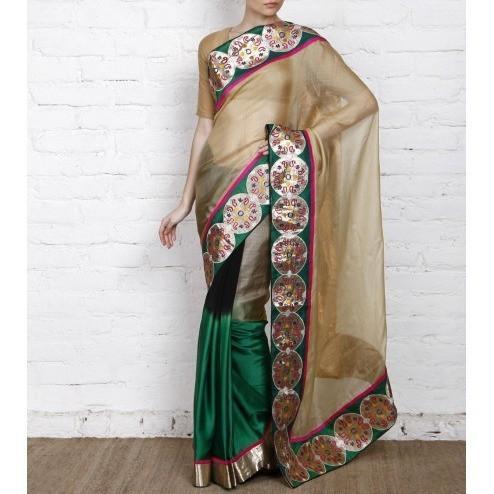
Your first saree dress rehearsal
The evening before your first saree is a good time to discover what you can do on your own and where a second pair of hands would help. Give yourself a practice run that ends with sitting down to a cup of tea, not just posing in front of a mirror.
Read guide →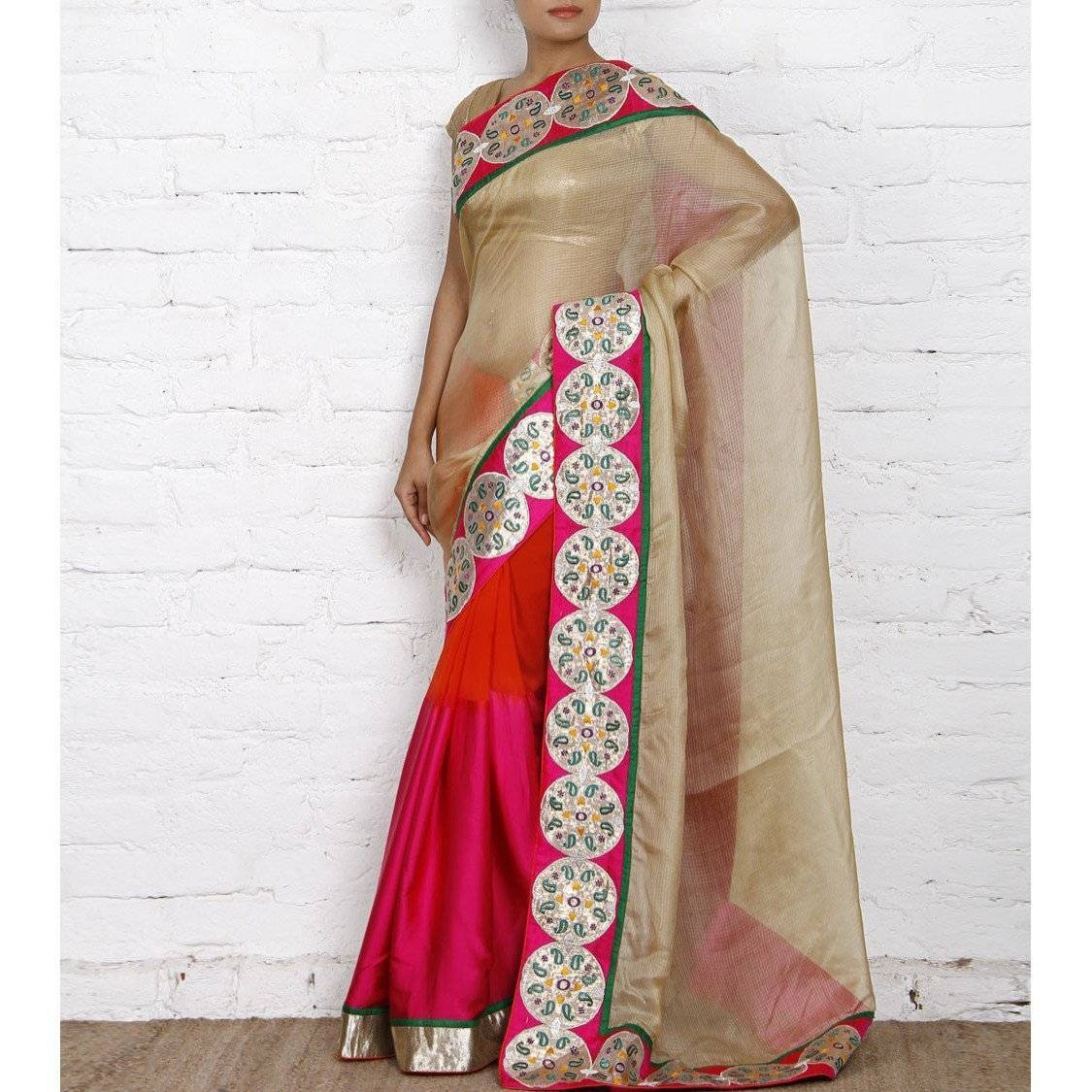
Choosing a base layer for a saree
If your usual petticoat works, you do not need to replace it simply because a photograph shows a fitted underskirt. If it does not work, find out why before spending money. The layer underneath has to support this saree on your body through the particular day you have planned.
Read guide →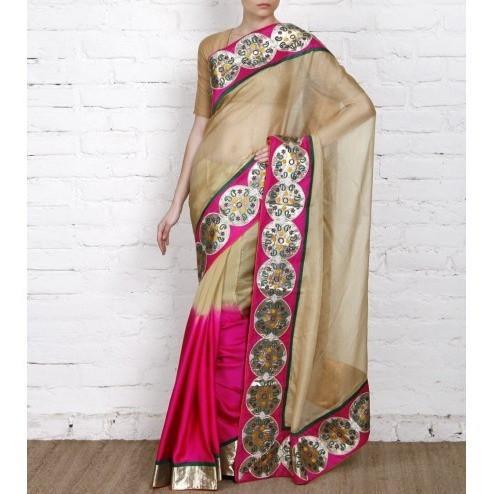
Making saree pleats you can walk in
Pleats need to hold enough cloth for you to take a step. They do not need to pass an inspection with a ruler. If yours look tidy while you stand still but come loose on the way to the door, try working from the walking problem back to the mirror.
Read guide →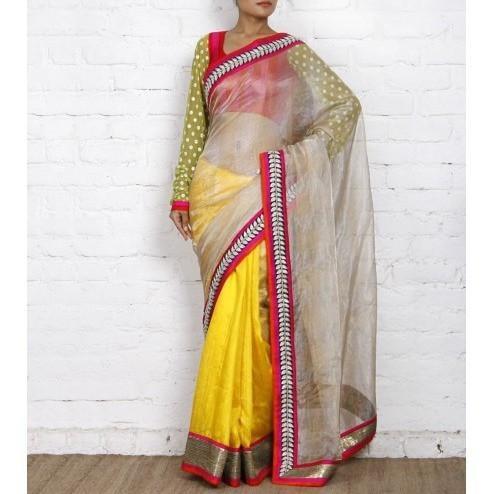
An open pallu or a pleated shoulder
The pallu is the decorative end of the saree. Spread over the shoulder it can show a design like a panel of art. Gathered into folds it can become a narrow ribbon of colour. The best choice is as much about what your hands will be doing as what the border looks like.
Read guide →
Finding a blouse colour that works
A blouse does not have to be the exact colour of the saree to look like it belongs. Sometimes the shade that nearly matches is the one that feels wrong. The useful question is whether you want the two pieces to blend, to echo one another, or to make a deliberate contrast.
Read guide →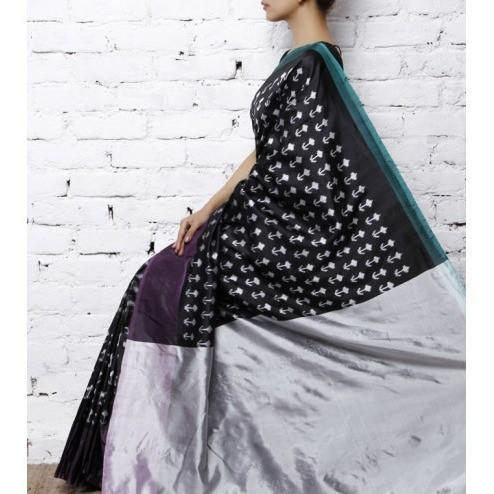
Trying a sheer saree before an evening out
A sheer saree gives you more than one surface to style. The blouse, the layer underneath and the patterned cloth all contribute to the final colour. This is lovely when it is intentional. It is less lovely when you discover the effect for the first time under the lights at a reception.
Read guide →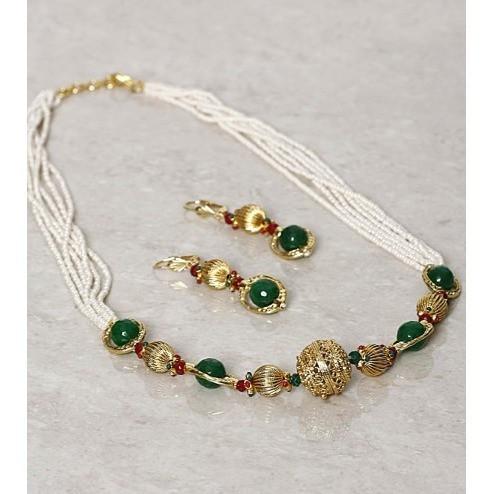
Pairing a necklace with a neckline
The most useful necklace question is not whether gold or silver goes with a saree. It is where the necklace will sit once the neckline, the shoulder fabric and your head are all moving. Start with that little patch of space, and the choice of colour becomes much easier.
Read guide →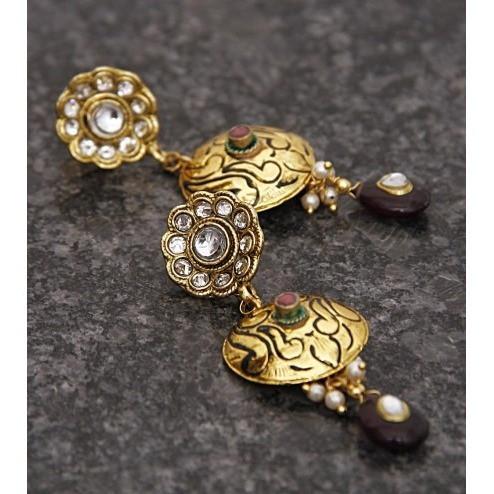
Choosing earrings for a long celebration
The pair that wins in a close photograph is not always the pair you want to wear through a ceremony, dinner and dancing. Long events ask different things of earrings than a short visit. Start by thinking about the last pair you happily forgot you were wearing.
Read guide →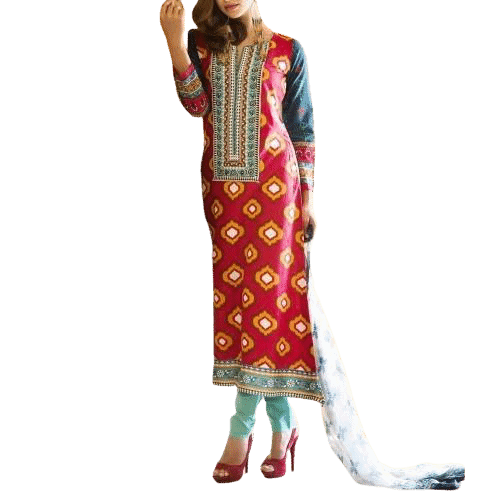
What to wear as a guest at a haldi
A haldi invitation can be warm and informal without telling you much about what to wear. The name refers to a turmeric ceremony, but your role as a guest can range from watching and sharing a meal to taking part. Ask about that difference before you start shopping for yellow clothes.
Read guide →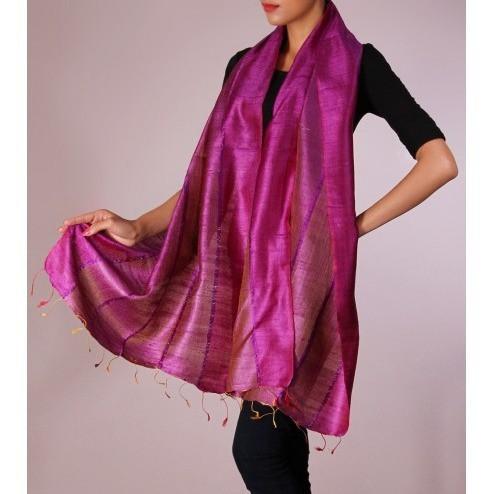
Dressing for colour and turmeric at a haldi
The question is not how to guarantee that turmeric will never leave a mark. There is no sensible promise like that for an unknown fabric and finish. The better question is how to enjoy the ceremony without wearing the one garment you would be heartbroken to spoil.
Read guide →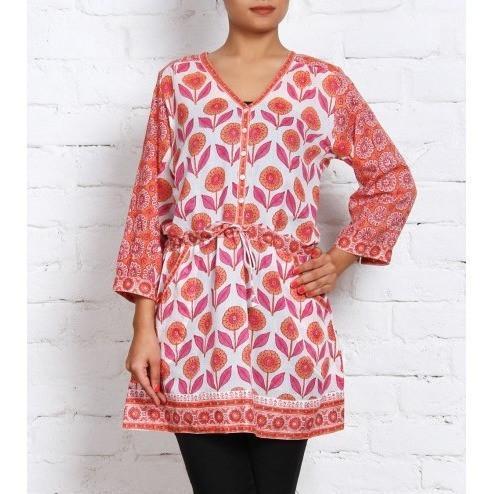
An outfit for a celebration on grass
A garden can look like a ballroom in the invitation photograph and feel quite different under your feet. Plan the outfit from the ground upward. Then consider the sun, the seating and what you have to carry between the pavement and the place where the celebration actually happens.
Read guide →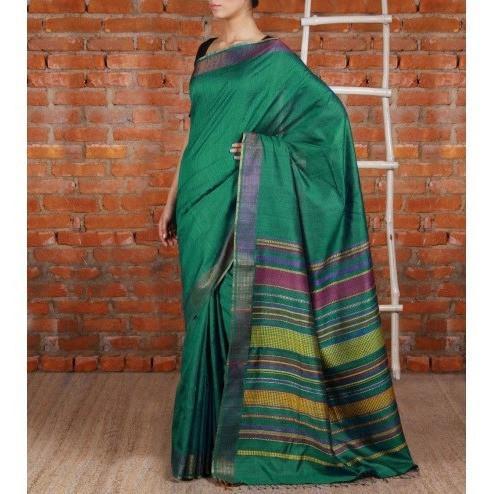
From the ceremony to the evening reception
If a ceremony and reception share the same date, changing your entire outfit is only one option. Sometimes changing the way a border is shown or swapping one small accessory is enough. Work out how much time and privacy you really have before buying a second look.
Read guide →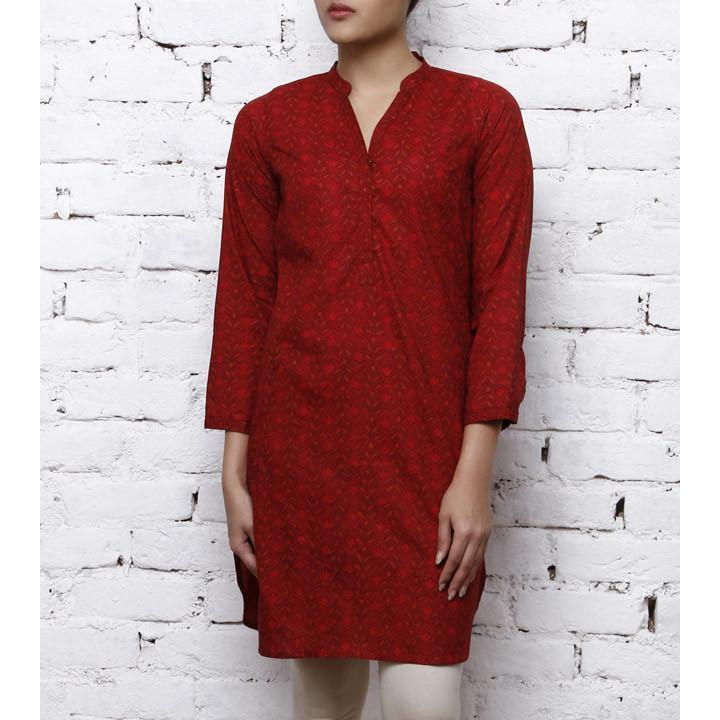
Three ways to wear a favourite kurta
Instead of asking how to make a favourite kurta look completely different, ask which part of it you want people to notice next time. You can give one garment three distinct jobs without disguising it or pretending you have never worn it before.
Read guide →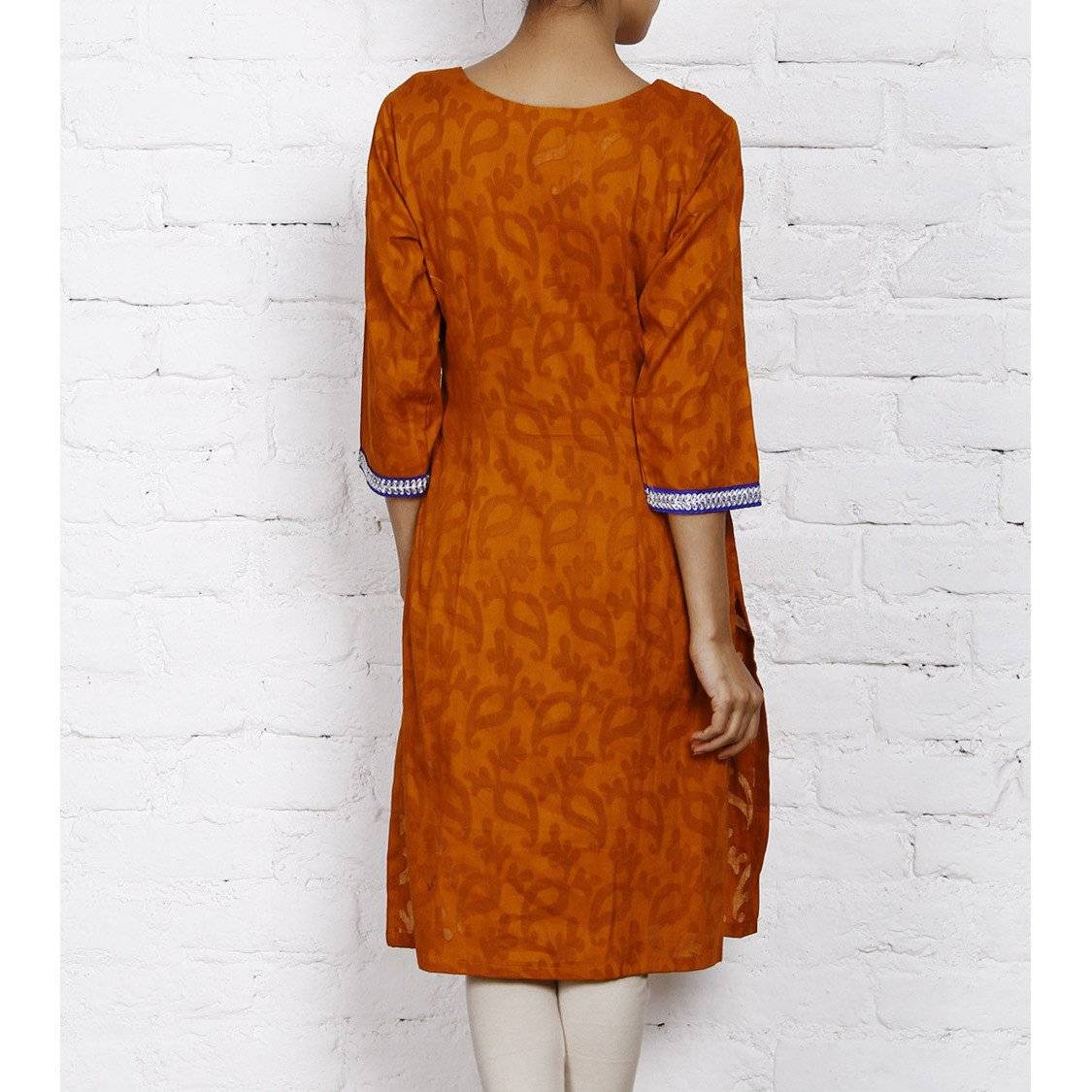
Finding a kurta that fits hips and shoulders
When a kurta fits the shoulders but catches at the hips, it is tempting to order the next size and hope. That sometimes works. It can also leave you with sleeves that twist and a neckline that no longer sits where it should. Locate the point of resistance first.
Read guide →
Before you send suit fabric to a tailor
An unstitched suit is a set of possibilities, not a finished outfit. Before comparing its price with a ready garment, find out exactly what arrives and what has to happen between opening the parcel and wearing it. Those steps determine whether the purchase is a pleasure or a deadline problem.
Read guide →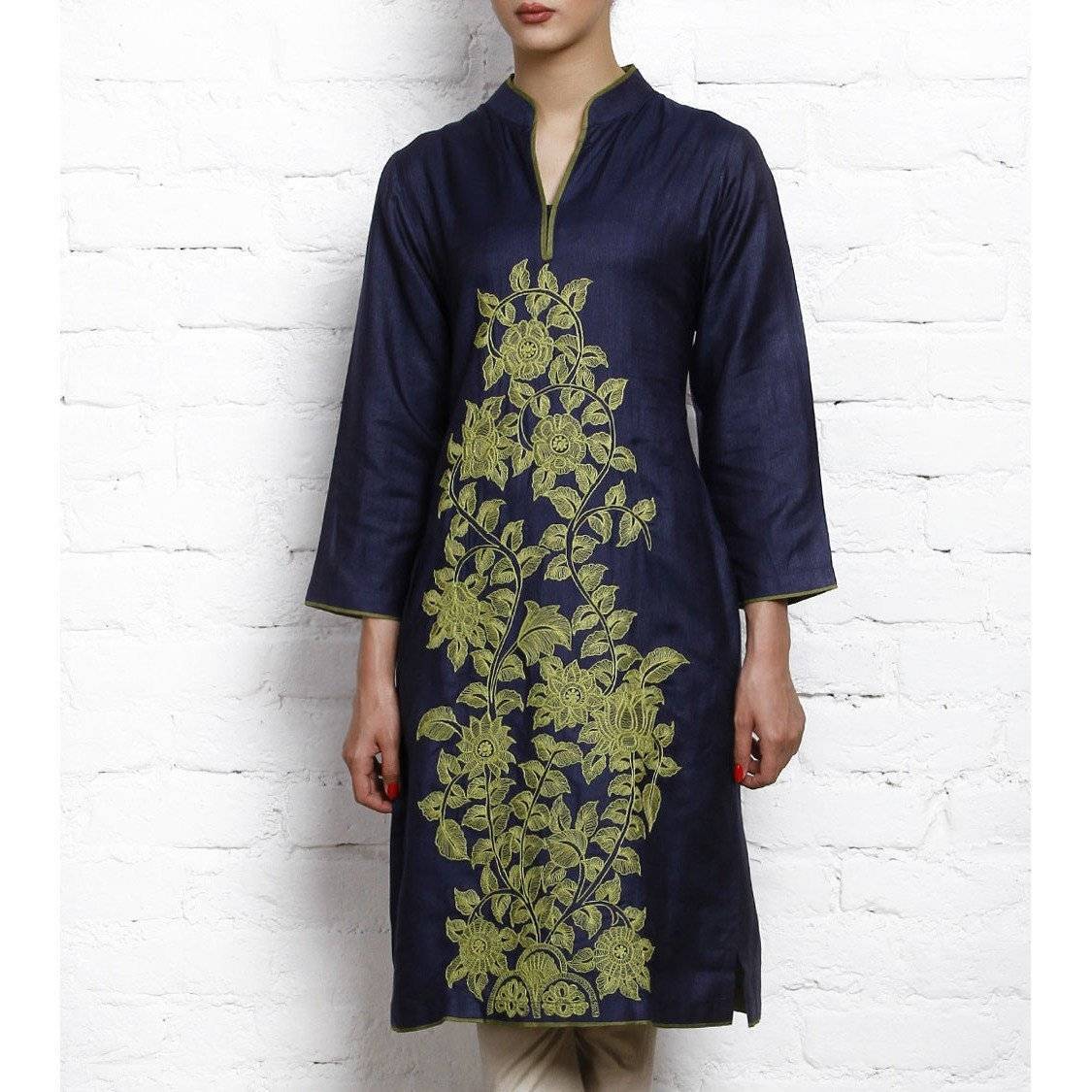
Building a small work wardrobe with kurtis
A work wardrobe should reflect the number of days you actually go to work in those clothes. Someone who goes into an office once a week needs a different plan from someone who commutes every morning. Count real days and real laundry opportunities before counting kurtis.
Read guide →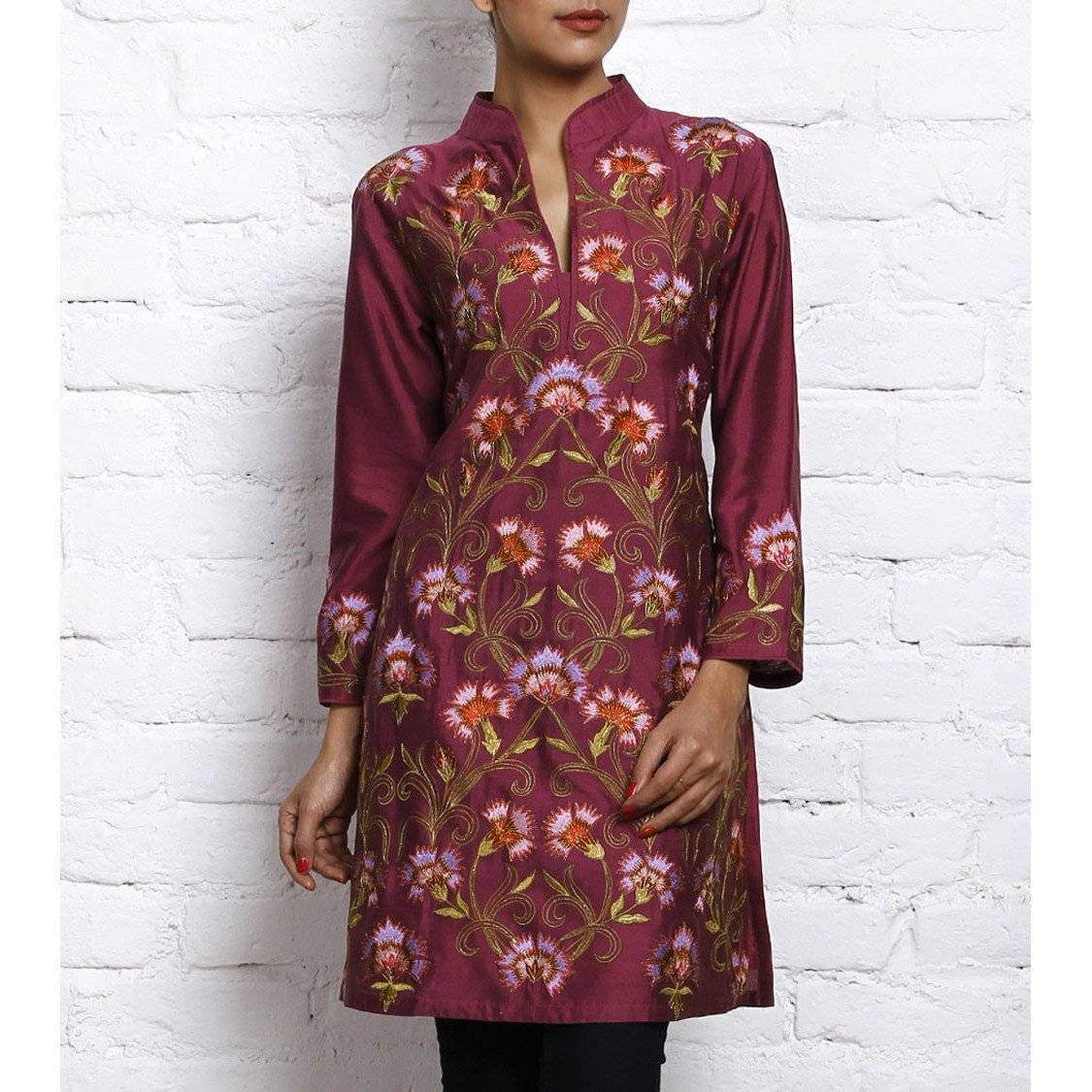
Choosing a kurta for your commute
The difficult part of dressing for work is often the journey rather than the office. A kurta that feels wonderful at a desk may be awkward on steps, under a backpack or in a crowded doorway. Try choosing for the transitions between places, not just for the destination.
Read guide →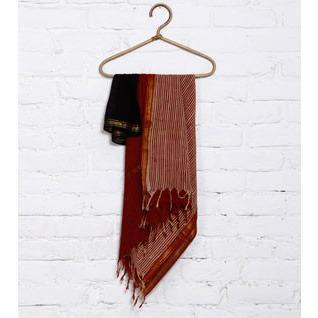
Pairing a dupatta with a printed kurta
Putting a patterned dupatta beside a printed kurta is easier if you stop trying to match every colour. First decide whether the two patterns should read as a pair from across the room or whether one should act as a quiet frame for the other.
Read guide →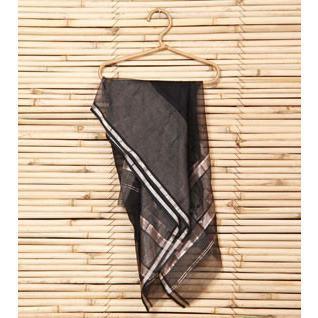
Choosing a wrap you will actually carry
There is a difference between a layer you admire on a hanger and one you reach for on the way out. Before browsing wraps, finish this sentence: I need something to put over my shoulders when what happens? The last few words will make most of the shopping decisions clearer.
Read guide →Picking a bag for a wedding guest outfit
The wrong evening bag usually announces itself at an inconvenient moment. You need both hands to greet someone, your phone will not pass through the opening, or a strap catches on embroidery. Decide which inconvenience you most want to avoid before choosing between a clutch and a sling.
Read guide →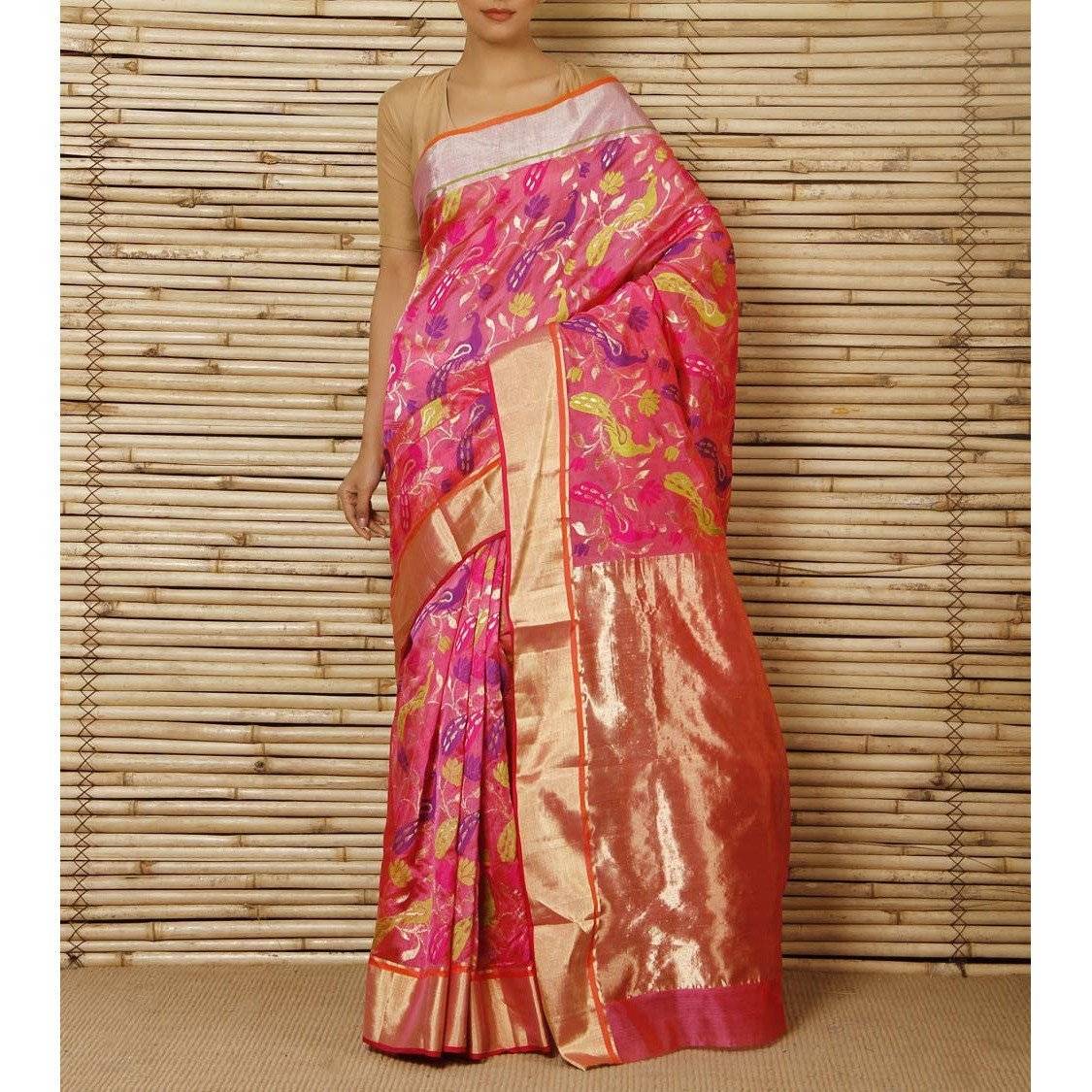
A saree she will choose to wear
There is a difference between the saree that looks most impressive in a gift box and the one somebody reaches for on a Sunday morning. If you would like yours to be worn, begin with the Sunday morning.
Read guide →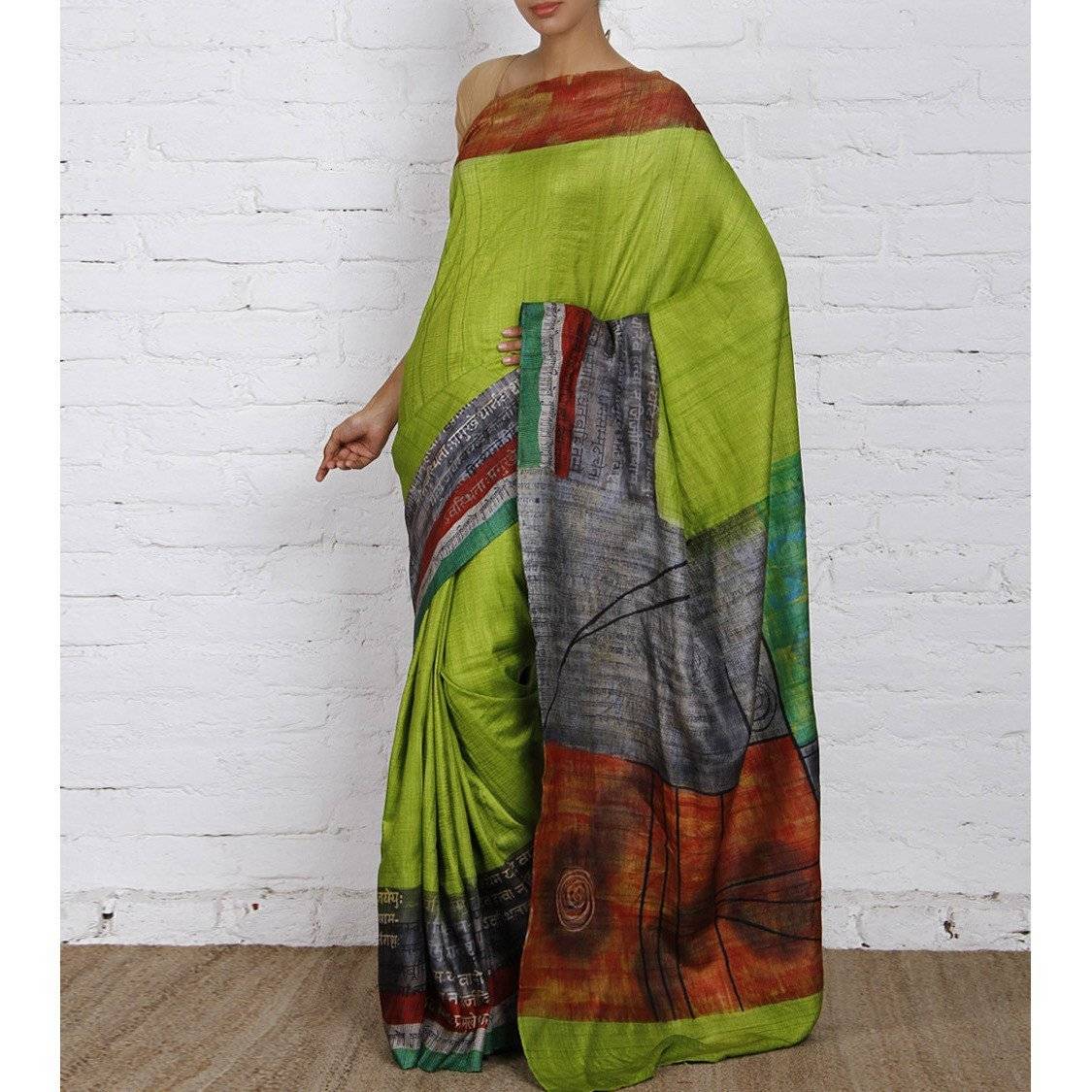
What a silk label actually tells you
One product title says silk. Another says silk blend. A third names a historic weaving centre in large type and gives no fibre information at all. These may be lovely sarees, but they are not three versions of the same promise.
Read guide →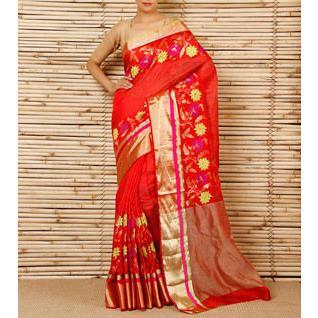
Making room for occasion wear at home
The cupboard door closes, but only if you lean on it. Somewhere behind a row of daily kurtas is a skirt with a heavy waistband, a blouse with beadwork and a dupatta you have not seen since the wedding. Start with one shelf, not a shopping cart full of storage boxes.
Read guide →
Bringing a family saree back into use
A family saree often arrives with an excellent story and no care label. Before turning it into a new blouse or promising to wear it to a ceremony, find out what it means to its owner. Sometimes the most considerate plan involves doing very little to the cloth.
Read guide →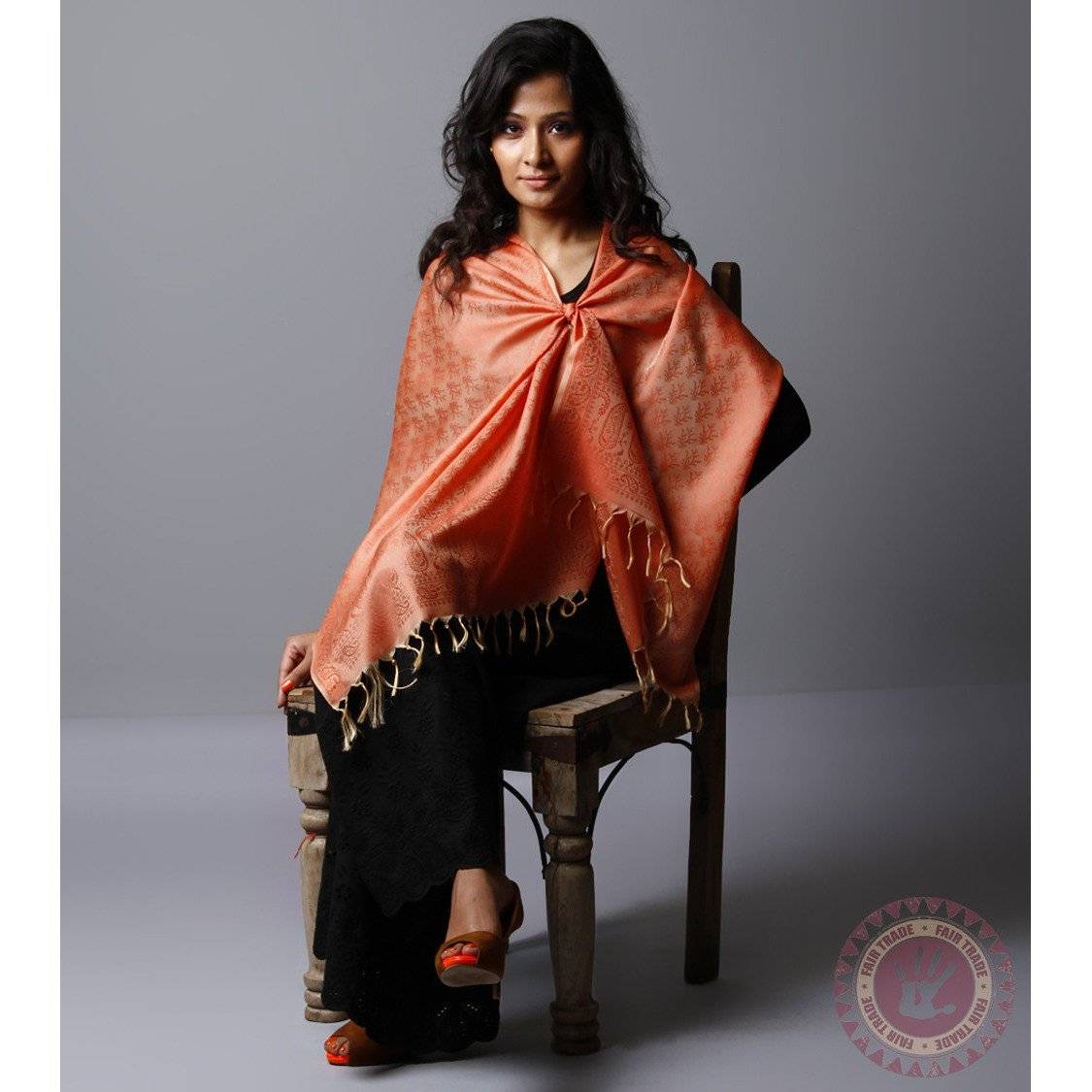
A wedding weekend in a small suitcase
A small suitcase can handle a wedding weekend, but only if you stop asking it to hold three complete versions of yourself. Plan the changes of clothes around where you will be and what you will be doing, rather than around the number of photographs you expect.
Read guide →
Flying with a special lehenga
A lehenga in its shop bag can look deceptively portable. Add a structured blouse, a dupatta with a weighted border and two flights with different cabin rules, and the packing question becomes less about folding than about custody. Decide who will have the outfit at every stage of the journey.
Read guide →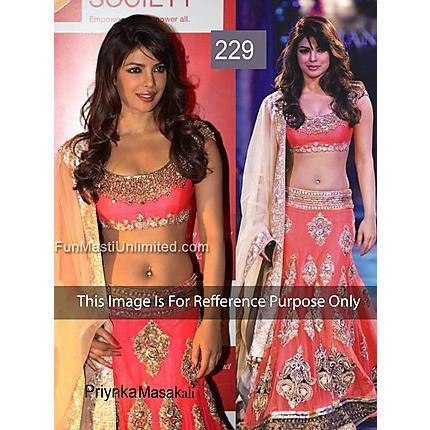
A second life for a bridal skirt
The wedding skirt fits. The wedding blouse fits. Put them on together, though, and you feel as if somebody is about to announce your entrance. You do not have to remake either piece to wear the skirt again. First find out which detail is doing the announcing.
Read guide →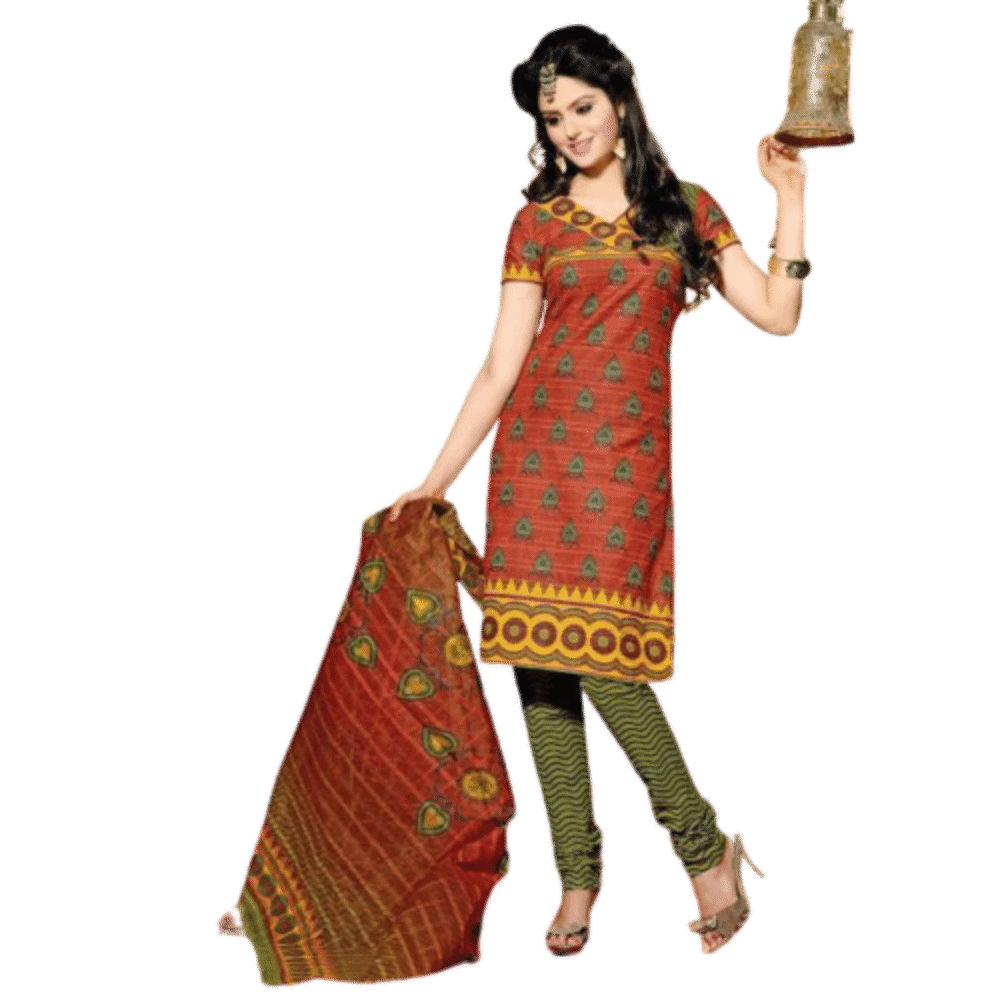
Rent, borrow or buy for the invitation
The invitation is here, the wardrobe looks unpromising and every shopping tab offers a different answer. Before asking which outfit costs least, ask what each option actually commits you to. Returning a borrowed saree to an aunt is not the same undertaking as sending a rented suit back on Monday morning.
Read guide →
What to check before buying a worn outfit
A photograph from the previous owner's wedding tells you how an outfit looked on a wonderful day. It does not tell you how the waistband measures now or what happened to the matching dupatta. Ask for the information that belongs to the garment today.
Read guide →
An occasion outfit on a short deadline
It is Wednesday evening and the invitation is for Saturday. The first thing to eliminate is not a colour. It is any outfit that cannot be ready by the time you leave home. Once you can see the remaining choices, they are usually better than they first appeared.
Read guide →
A first wedding guest wardrobe for men
If this is your first Indian wedding invitation, you do not have to become an expert in ceremonial clothing to be a considerate guest. You need a clear invitation, one outfit that fits and enough information about the day to know where a jacket or stole will earn its place.
Read guide →
Dressing as a pair without matching sets
Side by side in the mirror, two individually lovely outfits can suddenly look like uniforms. Or they can look as if you are leaving for different events. The sweet spot usually comes from sharing one decision and leaving the rest to the people wearing the clothes.
Read guide →
Choosing saree colours for a wedding party
Someone sends a photograph of a marigold and says, this is the colour. Six phones display six slightly different flowers. Before anybody orders fabric, decide whether the request is for one exact shade, a family of colours or simply a cheerful feeling in the wedding photographs.
Read guide →
Planning a group outfit order without surprises
A group order starts with one enthusiastic message and can end with six blouses, five sarees and nobody certain who paid for shipping. A little structure saves friendships as well as money. Build the order around people's consent, not the assumption that silence in a busy chat means yes.
Read guide →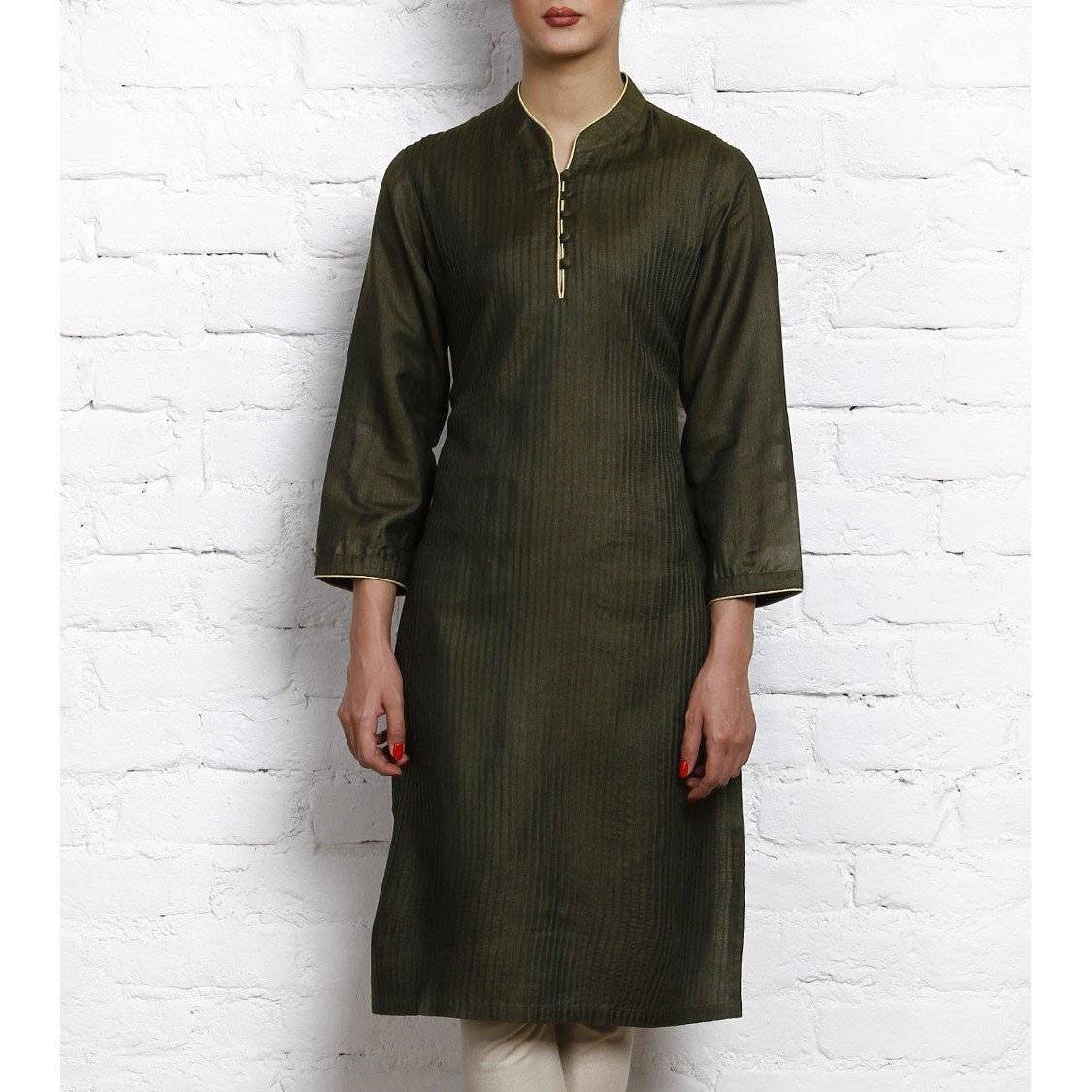
Dressing for a mehendi when your hands are busy
Imagine trying to push back a sleeve, unlock your phone and find your car keys while waiting for henna to dry. The right outfit for a mehendi is less about finding one prescribed colour than about deciding which jobs your hands will not be able to do.
Read guide →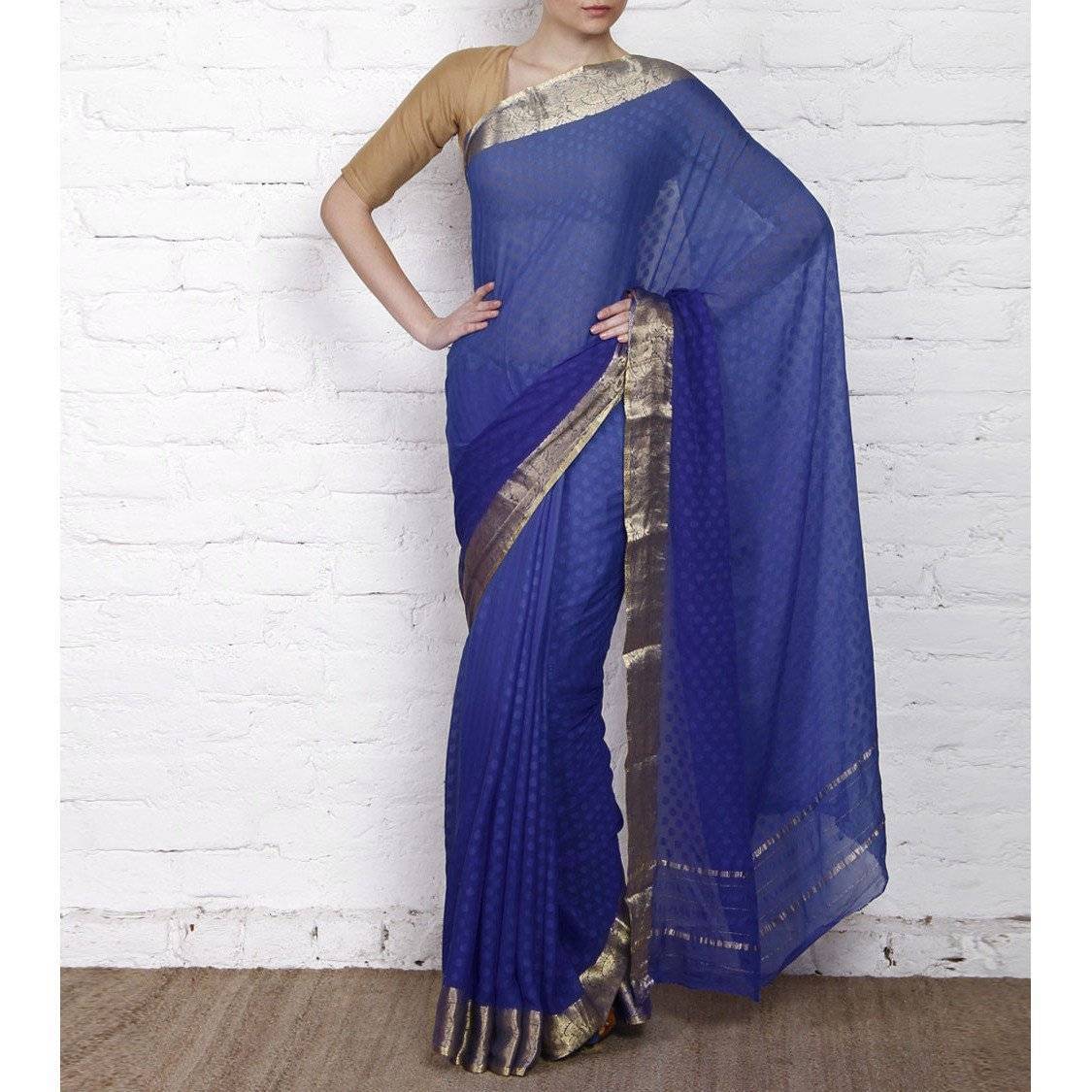
Keeping warm in a winter saree
The hall will be warm. The platform, parking lot and ten minutes waiting outside the hall may be another matter entirely. Dress for the coldest part of the journey without committing yourself to wearing every warm layer through dinner.
Read guide →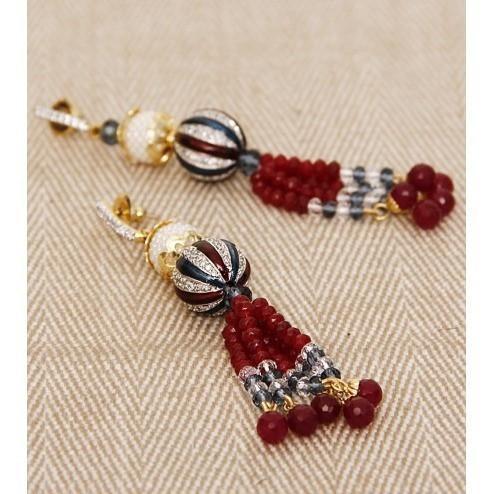
Looking after plated and antiqued jewelry
A dark hollow between carved leaves can be exactly what makes an earring beautiful. Before trying to brighten it, find out whether the darkness is a change in the metal or part of the intended design. Cleaning the wrong thing very thoroughly is an expensive way to learn the difference.
Read guide →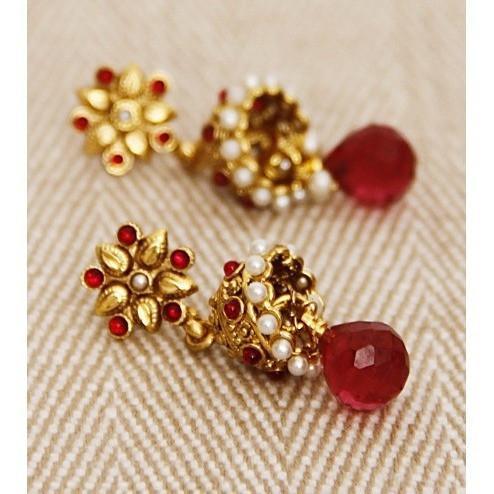
A jewelry organiser that fits your pieces
The velvet box in the photograph looks wonderful until you realise that every compartment is the same size and none is long enough for your favourite earrings. Choose an organiser by measuring the awkward pieces first. The easy ones will usually find somewhere to go.
Read guide →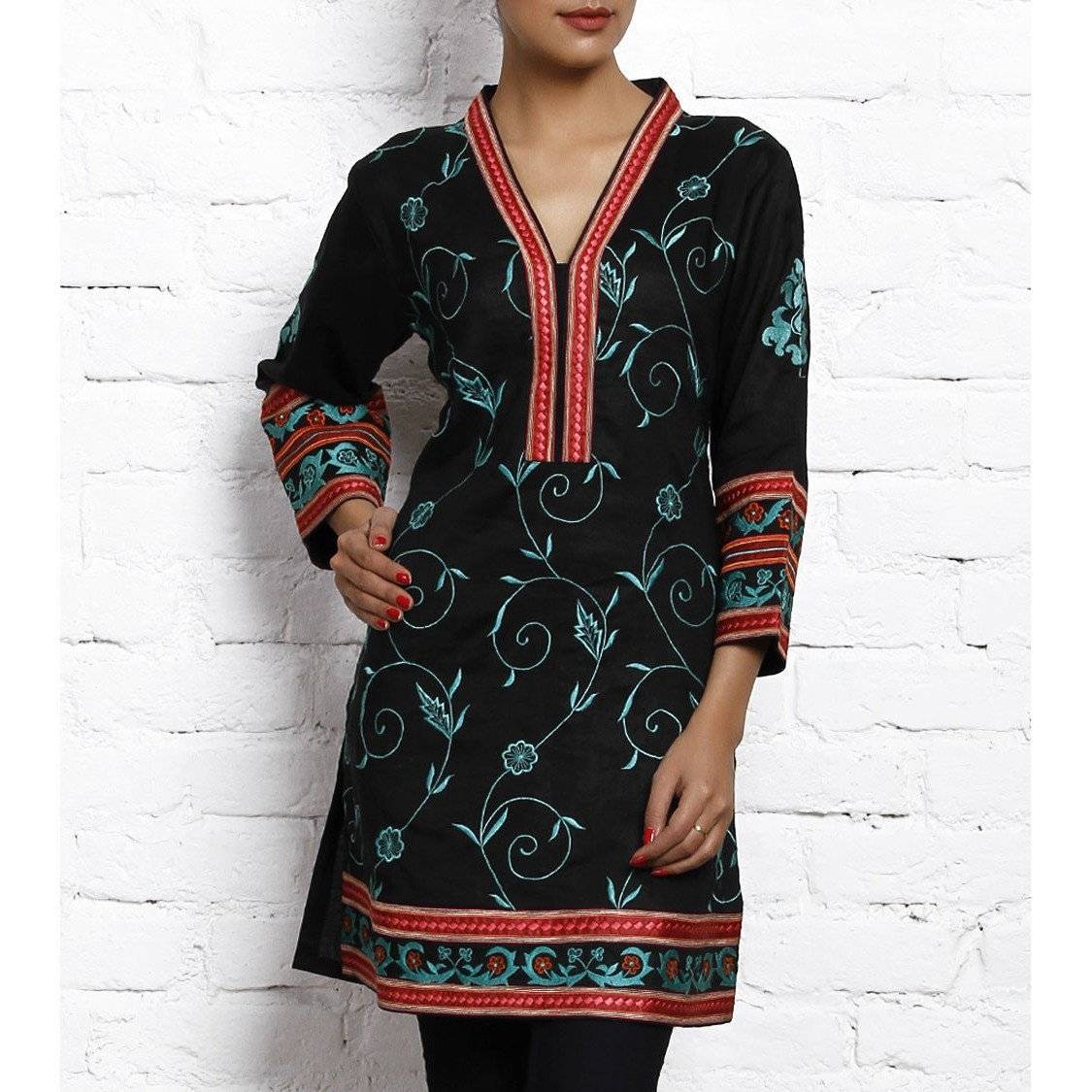
Choosing an outfit for a sangeet dance
An outfit can pass the mirror test and fail the first turn of a dance. If you are performing at a sangeet, use the actual movement to choose the clothes. If you are joining from the floor, borrow the same idea on a smaller scale: dress for the part of the evening you want to enjoy.
Read guide →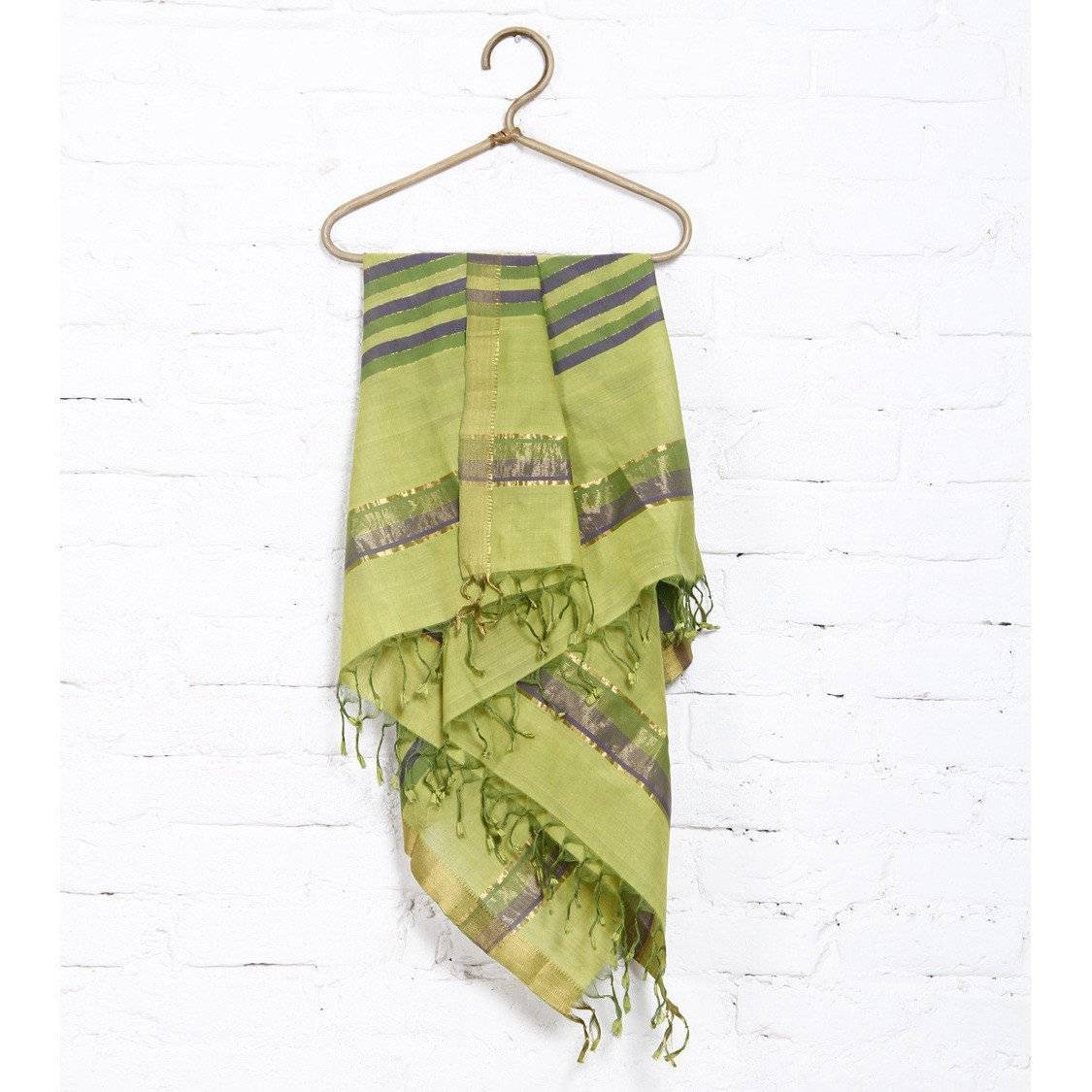
Planning clothes for the trip after the wedding
The wedding takes up one day of the trip. The rest of the suitcase has to get through family visits, long journeys and ordinary breakfasts. Build that part of the wardrobe around when clothes can actually be cleaned and dried, not around an optimistic picture of a hotel sink.
Read guide →