
In this guide
Ask what everyone is agreeing to spend
Have one coordinator collect a private spending limit from each participant. Ask for the maximum overall amount, including delivery, tax, tailoring and any required accessories, rather than the highest sticker price someone might consider. Make clear whether any costs are being covered by the hosts. People should be able to decline or suggest wearing something they own without having to explain their finances to the whole group. If a shared look requires spending above the lowest workable limit, change the specification or discuss who will cover the difference before anyone puts down a deposit.
Write a short order brief in ordinary language. It should say what must match, what can vary, who is included, the event date and the last comfortable date to receive the garments. A request for the same saree is different from a request for sarees within the same palette. The first may depend on sufficient stock of one item. The second may allow individual purchases and avoid the need for one large transaction. Do not create a complicated group order to solve a problem that a clear colour description and a deadline would solve just as well.
Make the order sheet about pieces, not personal histories
Use a private record with one row per person and only the information needed to fulfil the order. Include the exact item reference, variant, quantity, confirmed cost and a simple status such as awaiting approval or paid. Collect measurements separately and only from those who need tailoring, with their permission. Do not paste everybody's body measurements or home addresses into a group chat for convenience. Give each person their own line to review. A mistaken size selected from a dropdown is much easier to correct before payment than after a parcel of matching garments has arrived.
Ask the seller about actual availability for the full quantity and whether options come from the same stock or batch if that matters to the design. A product page showing one piece available does not establish that twelve can ship together. Read what is included and whether a model's blouse or dupatta is supplied. If some participants require ready to wear pieces and others can use unstitched material, record those choices explicitly. One photograph in the order thread cannot tell a tailor which of several buyers expects finished sleeves or which person plans to use their own blouse.
Compare one delivery with several deliveries
Sending everything to one coordinator can simplify checking and colour comparison, but then somebody must distribute the pieces, possibly pay postage again and handle any returns. Direct deliveries reduce that workload but can lead to different arrival dates and separate shipping costs. Price the complete route from seller to wearer. Include the space and time required to hold a large parcel safely. If people live far apart, a modest saving on the first shipment may vanish when the coordinator has to buy packaging and make several trips to forward the outfits.
Check the return window against the point at which each person can actually inspect their item. A parcel delivered to the coordinator on Monday might not reach the last wearer for another week. Confirm who contacts the seller, who can authorise a return and where any refund would go. An order paid on one person's card may leave that person responsible for distributing money again. Keep receipts without sharing card or account details. Good administration should make it easier to resolve a genuine problem, not turn one generous participant into a lender for the entire wedding party.
Freeze the choices before money moves
Send a final summary to each buyer showing their item, size or format, amount owed, estimated schedule and any nonrefundable commitment. Ask for an explicit yes. A heart reaction to a photograph is not approval of a charge. Give a reasonable deadline and tell people what happens if they cannot respond in time. Do not order for somebody who has not agreed and hope they will reimburse you later. If a seller requires payment before confirming stock, understand the refund terms and decide whether the group can tolerate that uncertainty.
Agree a rule for changes after the order is placed. A substitute colour, different fabric or increased price needs approval from the affected wearer, even if most people are happy with it. A change requested by the hosts after people have paid is a new request with new costs, not an obligation that can be passed along silently. Record any revised agreement and the final amount. These small formalities protect the people who are least comfortable saying no in public. They also save the coordinator from relying on a string of contradictory messages when the invoice arrives.
Keep a dated copy of the approved budget. Reserve one row for shared costs and show how they will be divided. If one person adds a heavy extra piece or requests an urgent separate shipment, check who accepts the additional charge. A few dollars are often less important than knowing nobody quietly changed the agreement after everybody else had already paid.
Open the parcel as if you will need the packing list
Count pieces on a clean surface and compare the labels with the approved rows before mixing anything together. Keep each person's components and receipt information grouped. Photograph visible discrepancies and contact the seller promptly according to the policy. Do not remove tags, cut blouse material or start tailoring until the relevant wearer has confirmed the piece is correct and is keeping it. If two similar shades are supplied, check the item codes before distributing them. Guessing from memory can turn one identifiable shipping error into several confusing fitting appointments.
Once everything is delivered, settle the accounts and share any care or return information each person needs. Delete unnecessary address and measurement records when they are no longer required. Keep the useful part of the process, perhaps a simple blank order sheet, without keeping everybody's personal details for the next celebration. A successful group order is not measured by whether every participant loved the same blouse neckline. It is measured by whether each person knew what they were choosing, could afford what they agreed to and received the right pieces early enough to enjoy wearing them.
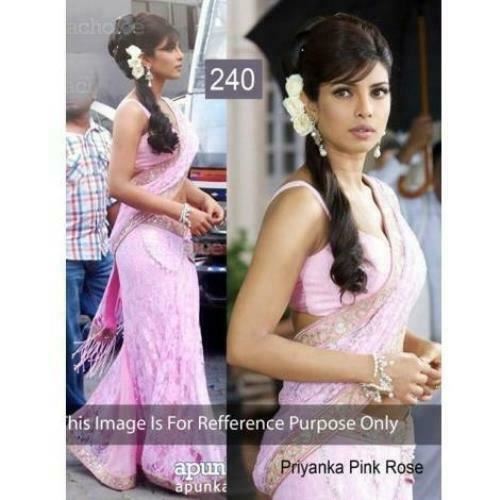 rangoutlet.com · Net SareesRam Chand Punam Chand (RCPC) BOLLYWOOD PRIYANKA PINK ROSE DESIGNER SAREE - Onlin
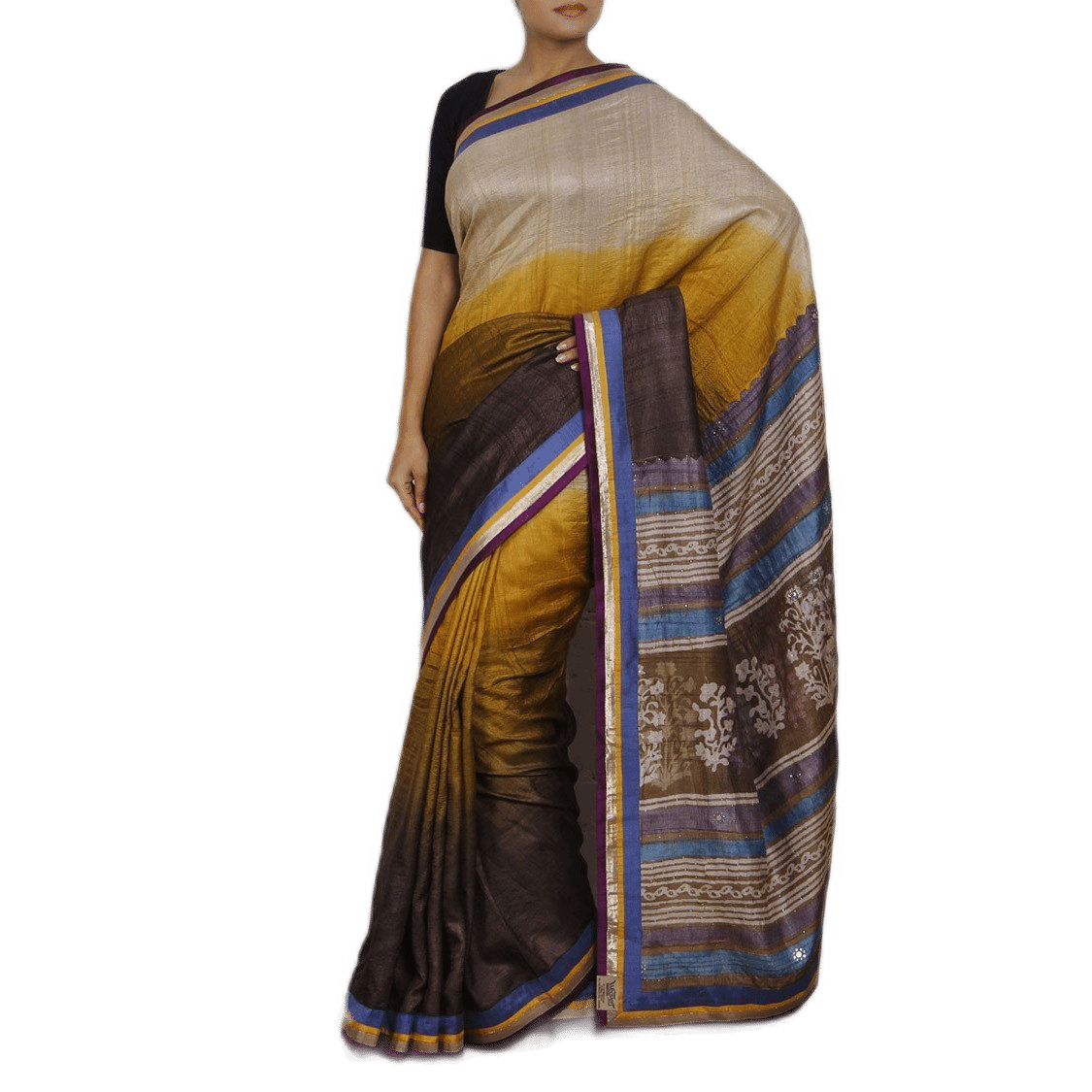 Weavers Studio · Silk SareesBeige & Dark Brown Silk Saree
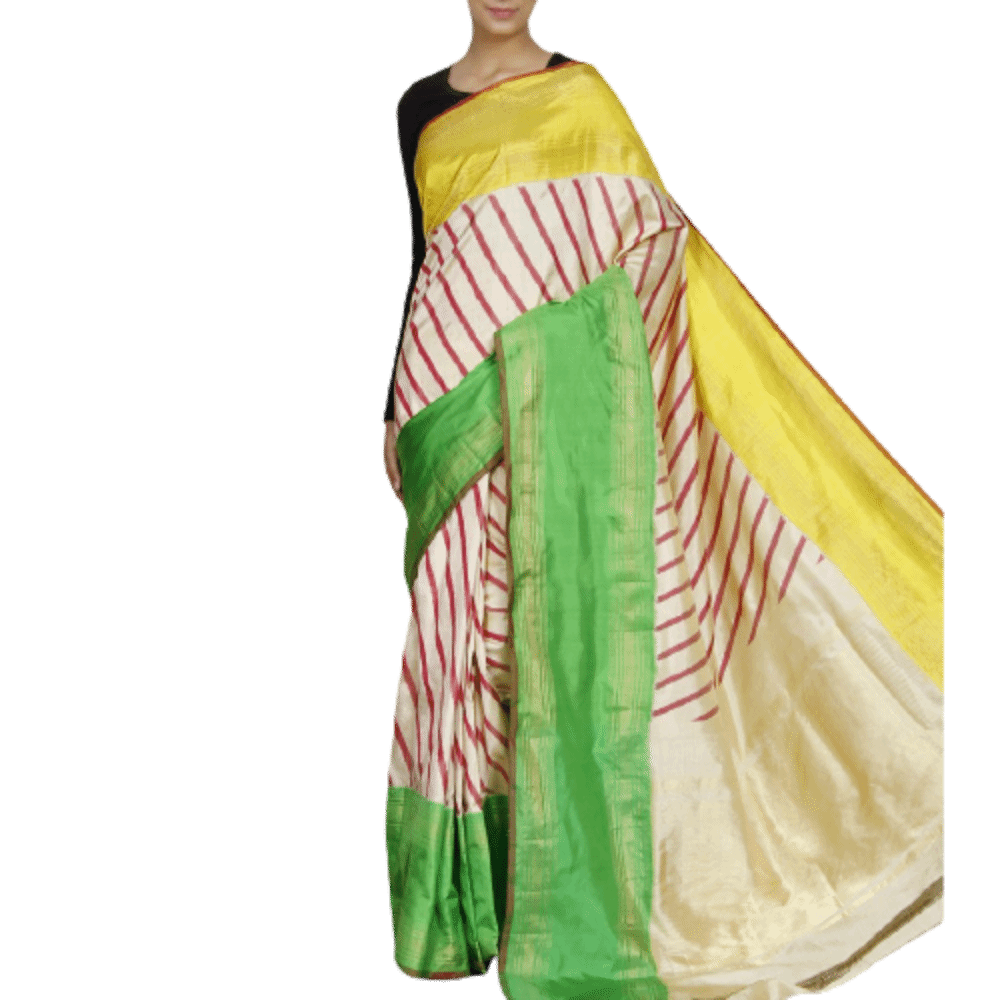 7 Karigar Gali · Silk SareesBeige & Green Handwoven Pochampally Silk Saree
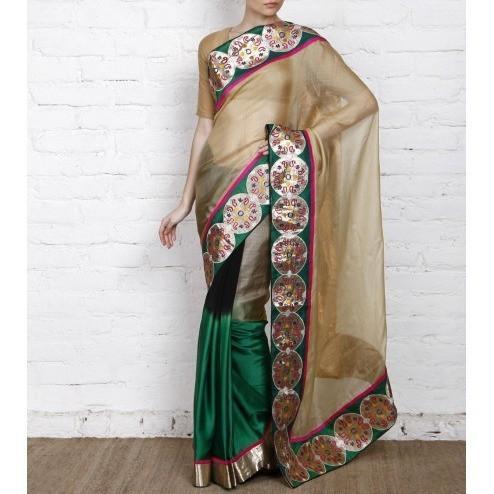 Pretty Women · Silk SareesBeige & Green Kota Silk Saree