
In this guide
Build a timetable with a door in it
Write down where you will be at the end of the ceremony and where you need to be at the start of the reception. The time between those entries is not all dressing time. Subtract travel, greetings and the few minutes needed to find a room. If nobody has confirmed that there will be a room, plan for a change you can make without one. A necklace swap and a touch of colour at the shoulder can happen far more easily than a complete blouse change.
Choose one piece to remain constant. It might be a saree you love, a plain kurta or trousers that fit well. For the first event, give it a quieter partner. For the second, add a stronger contrast in colour, a reflective earring or a change in the way the shoulder fabric falls. If you choose all three changes, test them together. A necklace that worked beautifully with the quiet daytime blouse may vanish once the more decorative edge moves into the picture.
Think about what evening light does
A dark surface can make a small bright detail stand out. An outfit that looks busy in daylight can feel quite restrained across a large room at night. You do not automatically need more sparkle. Try the outfit under a lamp, walk away from the mirror and look back. Notice the line of the garment before the tiny details. If the shape reads clearly and you like the colour, a small change at the face may be all you need.
Have a version that works if you run late
Put the most effective change at the top of the bag. If you have only one minute, what would you do first? Choose the earrings, wrap or bag that gives the clearest difference with the least effort. Leave anything that needs a full redrape for a day when you have proper time. Tell the person you are travelling with whether a change is essential or optional. That prevents a small clothing plan from turning into a stressful delay. The goal is not to convince other guests that you own two completely different wardrobes. It is to feel appropriately dressed and ready to enjoy two parts of the day without spending the best moments looking for a mirror.
Put the change in the order you will use it
Imagine opening the bag in a room with a single hook and no counter. What is the first object you need? Pack that object where you can take it out without putting several other things on the floor. Keep a bag for the daytime accessories in the same place. Transfer each piece as you remove it. An earring placed on the edge of a basin while you put another one on is very easy to leave behind.
Use a garment cover or folded layer appropriate to the material rather than crushing an embroidered piece underneath shoes. Check the care label before planning to steam something at the venue. Equipment may not be available, and not every surface welcomes steam or direct heat. An evening look that depends on careful pressing can be worth wearing first instead, if the host’s plans allow. When you are done packing, lift the bag and carry it from one room to another. If that already feels cumbersome, remove the least useful change. It is the number of pieces you can manage comfortably, not the number you can fit inside a case, that determines whether the plan will work between a crowded ceremony and a busy reception.
Know which look you want recorded
If there are family photographs you particularly want to be in, ask roughly when they will happen. Do not disappear for a complete change at the moment the family is called together. An agreed time matters more than a technically perfect second outfit. If the schedule shifts, keep the first look on and be in the photograph. You can change a necklace later. Reassembling a whole family for another picture is harder.
At home, take a plain picture of the daytime and evening versions from the waist up. This is a useful crop for deciding how different they really feel. A dramatic change of shoes may be invisible in most of the photographs you care about. A different arrangement at the shoulder can make the same garment look quite distinct. Now take a full length picture and see whether the change still works with the lower half. You might discover that a simpler evening bag connects the two better than a new pair of shoes. Keep the references on your phone for dressing, not as instructions that everything must look identical to the trial. An event has real people, real light and a timetable. A good outfit leaves room for all three.
Check the expectations for each room
The ceremony and reception may have separate dress instructions even when they appear on a single card. Read each part. One space might ask for covered shoulders or removed shoes, while another might be an ordinary restaurant or formal hall. Ask the host about an unfamiliar venue rather than assuming that customs are identical across families or places of worship. A removable layer can be a thoughtful way to meet two different needs without changing the main outfit.
If you will be travelling directly between venues, take the whole journey into account. Would you be comfortable on the street in the second blouse? Will the wrap you planned to remove be needed for the trip? Is there a place to leave an outer coat at the reception? A change that solves the difference between two photographs does not necessarily solve the difference between two rooms. Write down one essential requirement for each setting and one detail that is simply for enjoyment. Meet both requirements first. Spend any remaining money on the detail you genuinely look forward to wearing. This helps distinguish a useful purchase from a last minute rush to buy a second outfit because the invitation contains two different starting times.
Photograph the contents of your change bag before leaving home. At the end of the night, look at that picture and account for the pieces that should be coming back, whether they are now on you or in the bag. The daytime earrings may be the smallest objects you brought and the easiest to forget. Returning with both versions intact is part of a successful change.
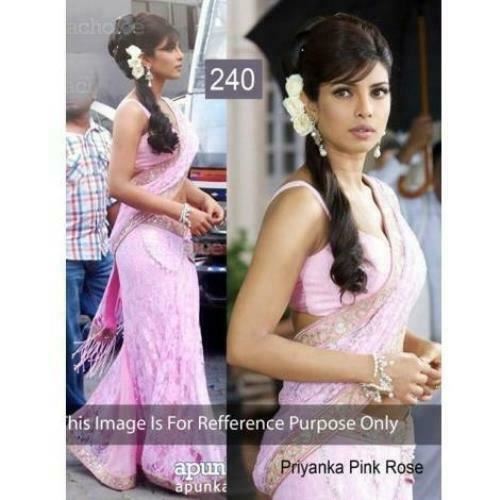 rangoutlet.com · Net SareesRam Chand Punam Chand (RCPC) BOLLYWOOD PRIYANKA PINK ROSE DESIGNER SAREE - Onlin
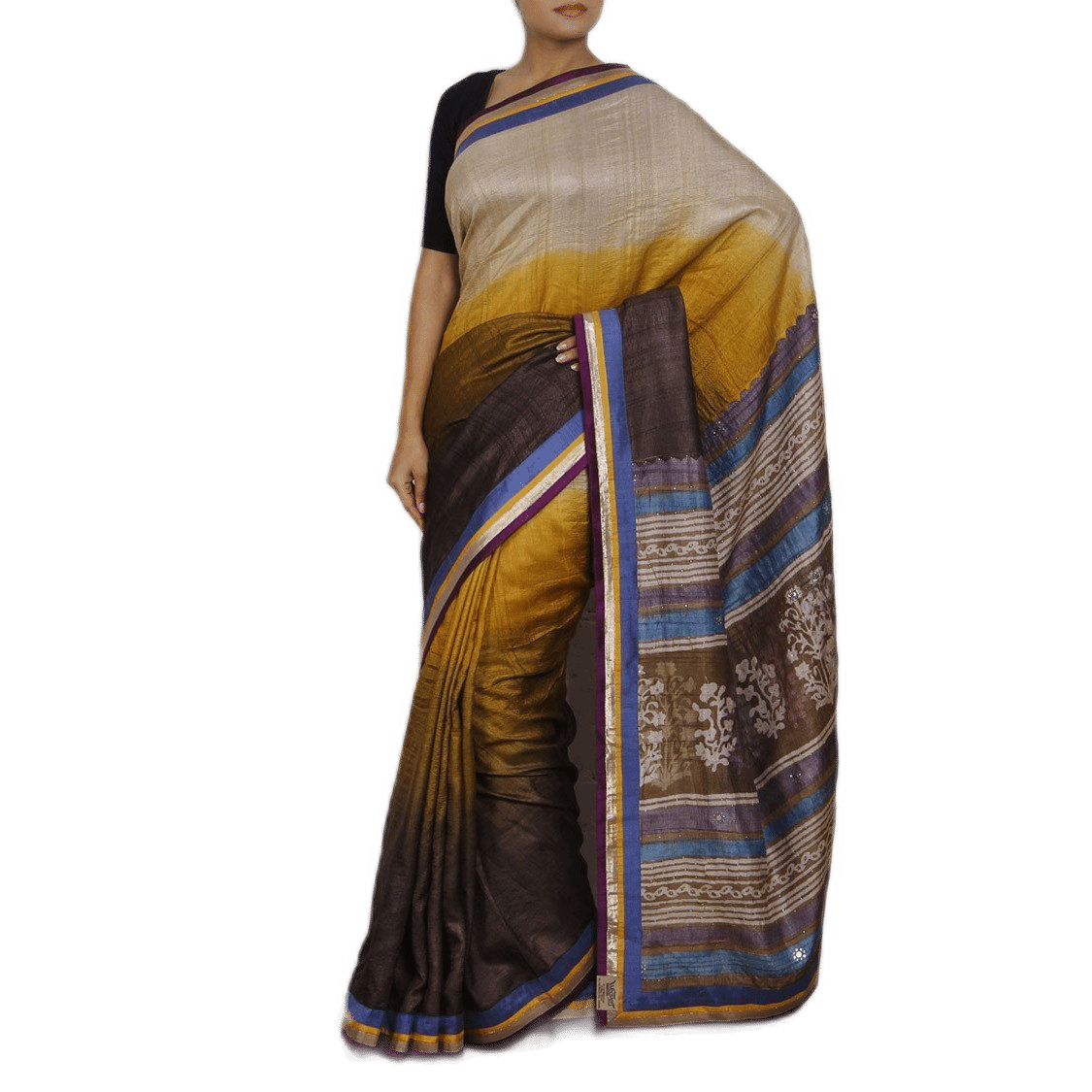 Weavers Studio · Silk SareesBeige & Dark Brown Silk Saree
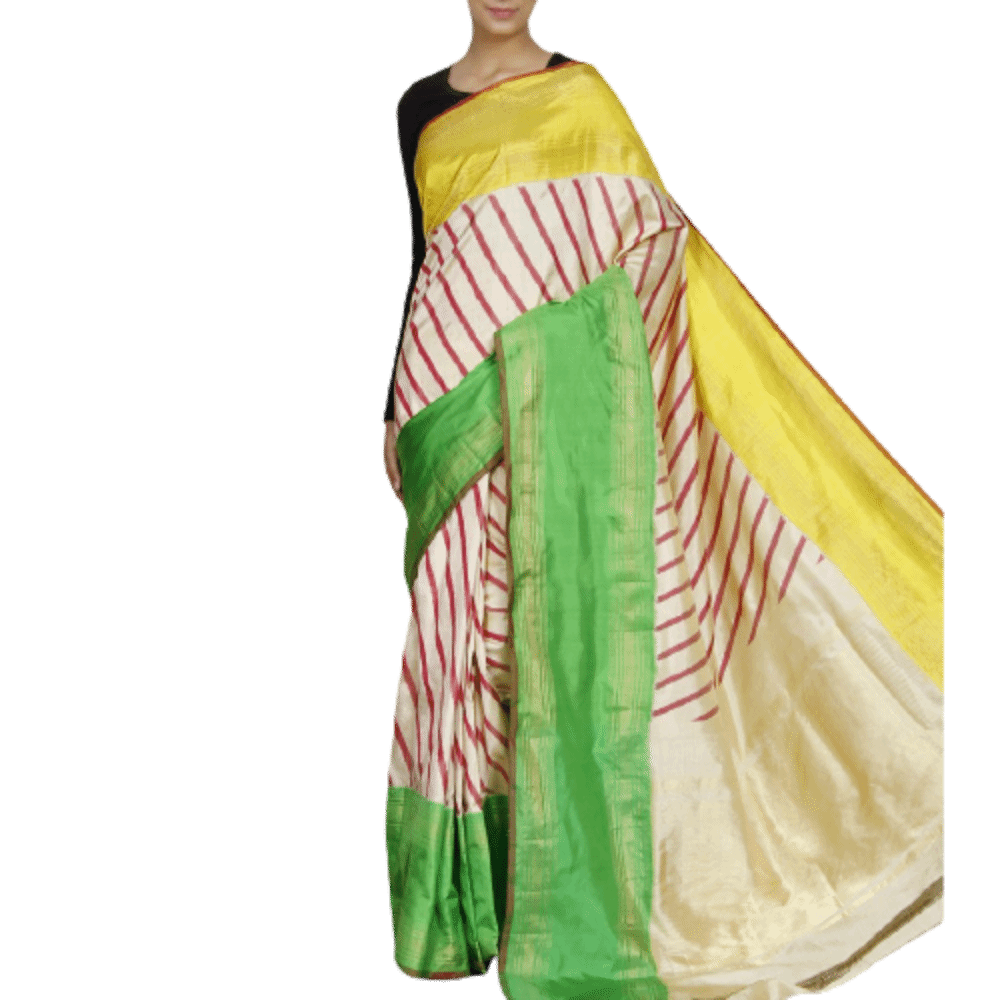 7 Karigar Gali · Silk SareesBeige & Green Handwoven Pochampally Silk Saree
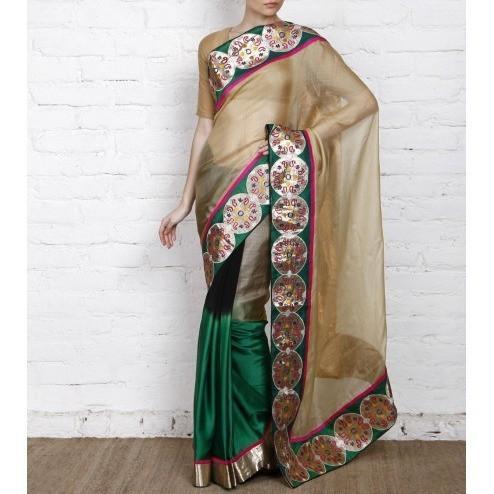 Pretty Women · Silk SareesBeige & Green Kota Silk Saree