
In this guide
First wear: let the kurta carry the outfit
Start with the simplest bottom you own that works with the length and side openings. Stand near a window and look at the silhouette from the front and side. If the kurta has a wide hem, compare a narrower trouser with a pair that has some volume. Do not assume that volume over volume is forbidden. You are looking for a combination that feels balanced and lets you walk and sit comfortably. For this first version, keep the earrings small and leave off the wrap unless you want it for coverage.
This is a useful test of the garment itself. Do you like the neckline? Do the sleeves land where you want? Can you reach a pocket in the trousers? If the answer to a basic fit question is no, changing accessories is unlikely to fix the problem. Solve the fit first. A simple version you are happy to wear to lunch gives you a dependable foundation for both of the other looks.
Second wear: change the shape below the hem
Try a different trouser width or a skirt, if you have one that works with the openings. Notice how much of the bottom is visible while standing and how much shows when seated. A patterned skirt hidden almost completely beneath a long kurta may not be worth buying for this pairing. A contrasting cuff visible at the ankle may contribute more than a full second print. Put on the shoes before judging where those lines end.
Third wear: move the focus up
Return to the first bottom and add either a wrap or more noticeable earrings. Repeating a small colour from the garment can make the addition look intentional. If the kurta has an elaborate neckline, try the wrap folded to one side or leave the neck clear and use earrings. Keep one photograph of each version and label it by occasion rather than by how new it looks. Lunch, a work gathering and a family dinner are useful labels. When the next invitation arrives, open that little set of pictures before you shop. You may discover that the missing piece is a comfortable pair of trousers you will wear weekly, not a third festive kurta that needs all the same companions as the first two.
Assign one colour to each version
Pick three small objects from the wardrobe, each in a different colour you could plausibly wear with the kurta. They might be a blue scarf, a rust bag and a cream pair of trousers. Lay them out one at a time rather than piling them on together. Note which one brings out the print, which one quietens it and which one gives the outfit a completely different outline. The things you already own are a useful colour chart because they come with real sizes, textures and uses.
Give each version its own anchor. The casual one might repeat the cream ground in plain trousers. The family dinner version might pick up a rust flower with earrings. The work version might use a blue layer you need in a cool room anyway. There is no requirement to repeat every colour after choosing the anchor. In fact, leaving the shoes the same can make the three versions much easier to use. If you are about to buy a new accent, hold it against two of the versions, not only the one in your imagination. An accent that works in a second outfit has earned its space before you even bring a fourth idea into the plan.
Check the outfit from a few steps away
Choose a spot where you can see the whole outfit rather than one detail at a time. Start by looking for the strongest horizontal lines. There might be a kurta hem, a contrasting trouser cuff, a bag at hip height and a border at the ankle. If all of them demand attention, move just one. A shorter strap, quieter bottom or differently folded scarf can give the eye a clear place to rest without requiring a new set of clothes.
Repeat the check while seated. A long top can hide the interesting part of a skirt when standing but reveal it at a table. A large bag that balances a long garment outdoors may occupy most of the outfit in a group photograph taken from the waist up. Decide which view matters for this occasion rather than chasing one perfect set of proportions. No length is automatically wrong for a person of a given height. What matters here is where the pieces end in relation to each other and whether you enjoy that effect. If something feels off, take one item away and look again before buying an extra item to fix the first one.
Price the outfit you can actually wear
Write down the price of the main item, then list everything it needs before you can put it on. Include stitching, lining, alterations, delivery and an underlayer if you do not already own one. For a piece that needs specialist cleaning, include the first cleaning cost in your thinking. Compare that figure with a finished outfit, not just with the price of another piece of fabric. The lower ticket price does not always lead to the lower total.
Here is a useful way to make the choice visible. Suppose your limit is one hundred dollars and a garment is seventy. If tailoring is twenty five, you have five left for everything else. That may be fine when you already own the other pieces, but it is not the same as having thirty dollars to spend on earrings. These numbers are an example, not store prices. Ask for an actual quote before ordering. Mark anything you can borrow or reuse and recalculate. If the outfit still needs too many new purchases, keep the one detail you care about most and build around something already in your wardrobe. A smaller package that arrives ready for your real life can be the better buy.
Before paying for another bottom, sit down in the version you have assembled and look at the side openings. A different colour underneath can become much more visible when seated. Decide whether you like that view as much as the standing one. If the skirt or trouser is only convincing in a carefully posed photograph, it probably does not deserve to be the purchase that makes this kurta more versatile.
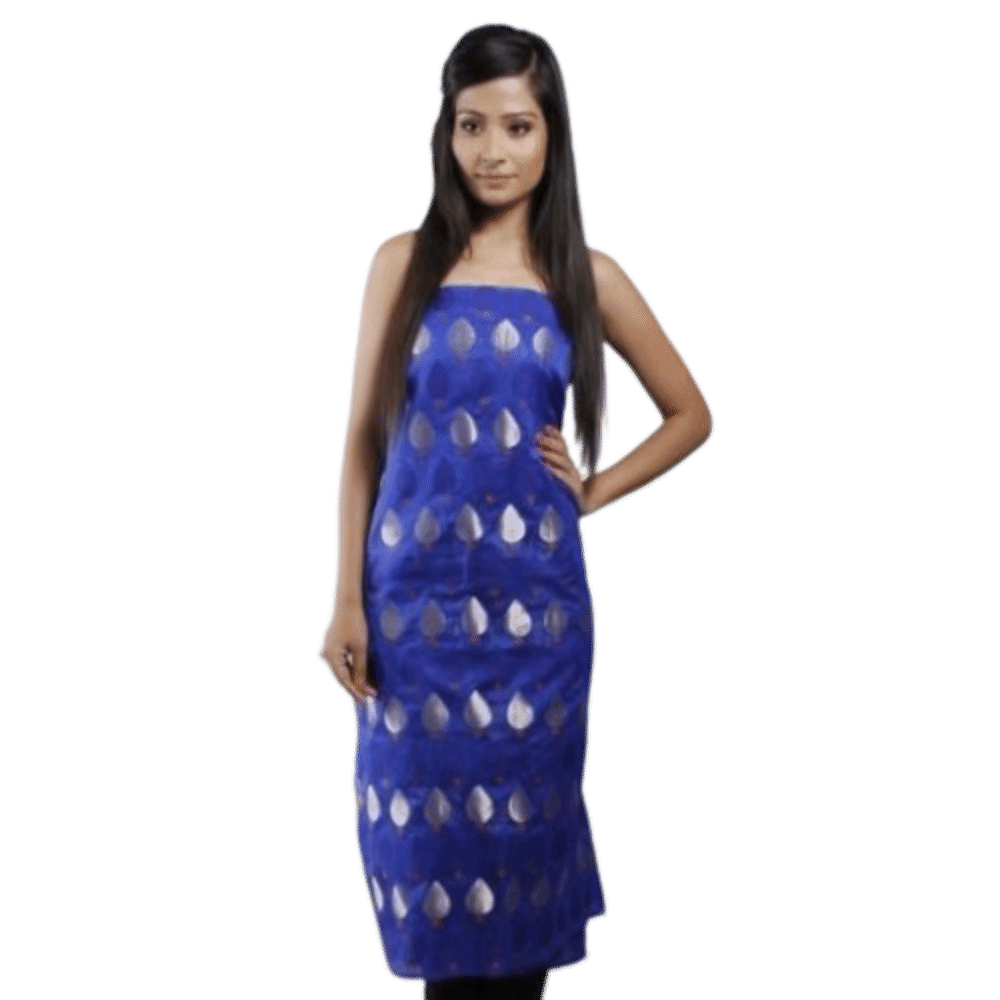 Kehri · Designer KurtisBeige & Blue Unstitched Chanderi Silk Kurta
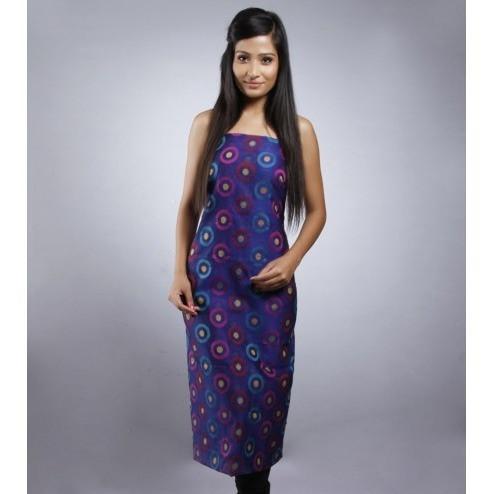 Kehri · Designer KurtisBlue & Purple Unstitched Chanderi Cotton Kurta
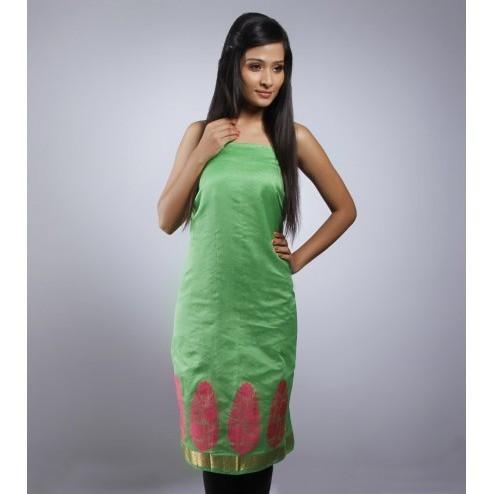 Kehri · Designer KurtisGreen Unstitched Chanderi Cotton Kurta
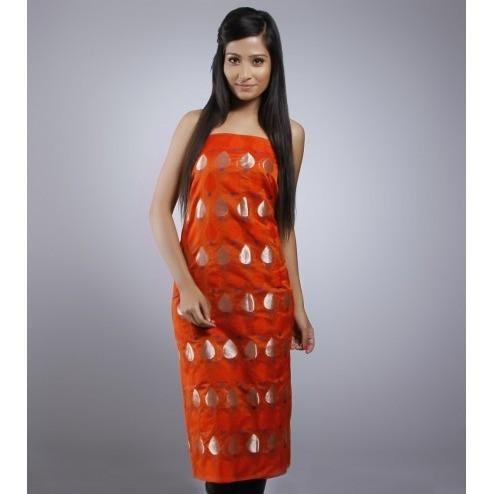 Kehri · Designer KurtisOrange Unstitched Chanderi Silk Kurta