
In this guide
Separate three different jobs
The waistband gives the tuck somewhere to sit. The fabric beneath the saree affects coverage. The shape of the skirt determines how far your legs can move. A foundation can do one job beautifully and be unsuited to another. A fitted skirt that gives a smooth outline under a light fabric may have an opening too narrow for the steps you take. A full skirt that is wonderful for walking may add more volume at the waist than you like beneath a crisp drape.
Look first at what is already in your drawer. Turn a petticoat inside out and inspect the waistband and side seams. A bulky knot or stiff seam can make a visible bump. That is not the same as the entire skirt being the wrong shape. Try shifting the knot away from the thickest group of folds, if the design permits. If the skirt twists round as you walk, a different waist fit may do more good than changing its colour or buying one that promises a smoother outline.
Compare two bases with one saree
Keep everything else unchanged. Use the same shoes and the same rough drape, and walk the same short route in each version. Include an ordinary stride, a turn and a pause. Notice if you are taking shorter steps because the foundation is tight near the knee. Notice if you keep reaching down because a loose layer is creeping upward. Either tells you something worth more than the marketing name of the garment.
Shop with a clear request
Ask for the waist adjustment range, the skirt length and the amount of room at the lower opening. If there is a slit, ask where it starts. Look for information about the waistband rather than assuming that a smooth looking top edge is designed to hold tucked cloth. A stretchy fabric can still feel restrictive if its cut is narrow. There is no point in ordering a smaller size to make a garment do a job it was not designed for. Seek a base in which you can breathe and move comfortably. When the foundation disappears from your thoughts for an entire practice meal, you have a better answer than any argument over which garment everyone ought to wear.
Try the waistband through a whole meal
The relevant measurement is not always the one you take while standing at your tallest. Put the foundation on, fasten it as you intend to wear it and sit down to breakfast. Do not tuck a napkin into the waistband or keep adjusting it to make the trial more comfortable. Notice whether a broad band stays flat or begins to fold over itself. A folded band concentrates pressure in a narrower area, which can feel quite different from the garment you first put on.
After breakfast, walk upstairs and reach into a low drawer. Does the base rise at the back and stay there? Does the saree tuck pull the top edge away from your body? If so, test the waistband without the outer garment. A problem that appears only when the saree is added might be the weight of the drape rather than the fit of the underskirt alone. Ask whether another foundation is intended for that weight. If you cannot comfortably sit, eat and talk in it, send it back if the return conditions allow. The goal is a dependable underlayer, not to build up a tolerance for a piece that is uncomfortable from the start. Pick the ordinary option that passed the meal test over the impressive option that needed constant adjustment.
Check coverage in two kinds of light
A dark bedroom is a poor place to decide whether one layer shows through another. Stand a few steps back from a window with the light facing you, then turn so the light is behind you. Look at an area with just one layer of outer fabric, not only the part where several folds overlap. If you can see a seam or a strong change of colour that you did not expect, bring a different base layer to the mirror before ruling out the fabric itself.
Repeat the check with the actual blouse or top, not a sample of its colour on a screen. A pale lining can look more obvious than a darker one if its edge makes a strong horizontal line. The goal is not a universal standard of coverage. It is knowing what you will be comfortable wearing when someone opens a door onto daylight or takes a photograph near a bright window. If you are ordering online, ask for a photo of a single layer over a light and a dark surface. That answers a more useful question than whether the seller considers the material “a little sheer.”
Choose a fastening by its job
It helps to name what is moving before reaching for another pin. Is the whole garment slipping at the waist, or is one fold opening at the shoulder? Adding weight at the shoulder does not fix a loose foundation. Take the piece off and look for an existing loop, reinforced edge or fastening intended for that job. A decorative border can be surprisingly delicate. Do not assume that thickness means it is a good place to pierce.
If you use a garment pin, check that its point is smooth and the catch closes fully. Try it on scrap cloth of a similar weight, never for the first time on the visible face of fine silk. Avoid piercing heirloom pieces or open weaves if you do not know how the fibres will respond. A tailor may be able to suggest a temporary fastening on an underlayer instead. Dress, walk and feel for the hardware before leaving home. When undressing, remove each fastening deliberately before pulling at the cloth. Keep small pieces in a closed container rather than folding them into the garment and finding them the next time you press or unfold it.
One question worth asking before checkout is whether the manufacturer gives the unstretched and comfortably stretched waist measurements. An absolute maximum obtained by pulling hard is not a useful wearing size. Compare the figures with the waistband that passed your meal test. If the seller cannot help and returns are difficult, keep using the base you know until you can try another in person.
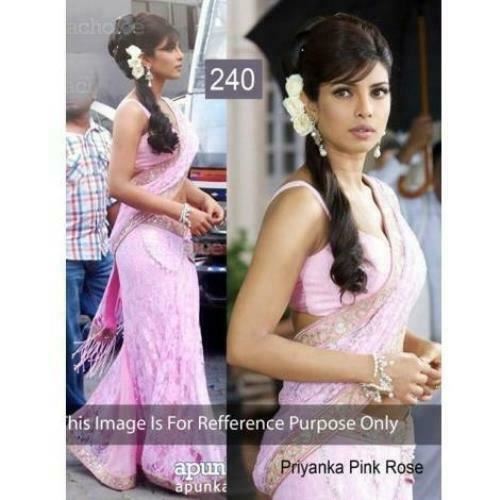 rangoutlet.com · Net SareesRam Chand Punam Chand (RCPC) BOLLYWOOD PRIYANKA PINK ROSE DESIGNER SAREE - Onlin
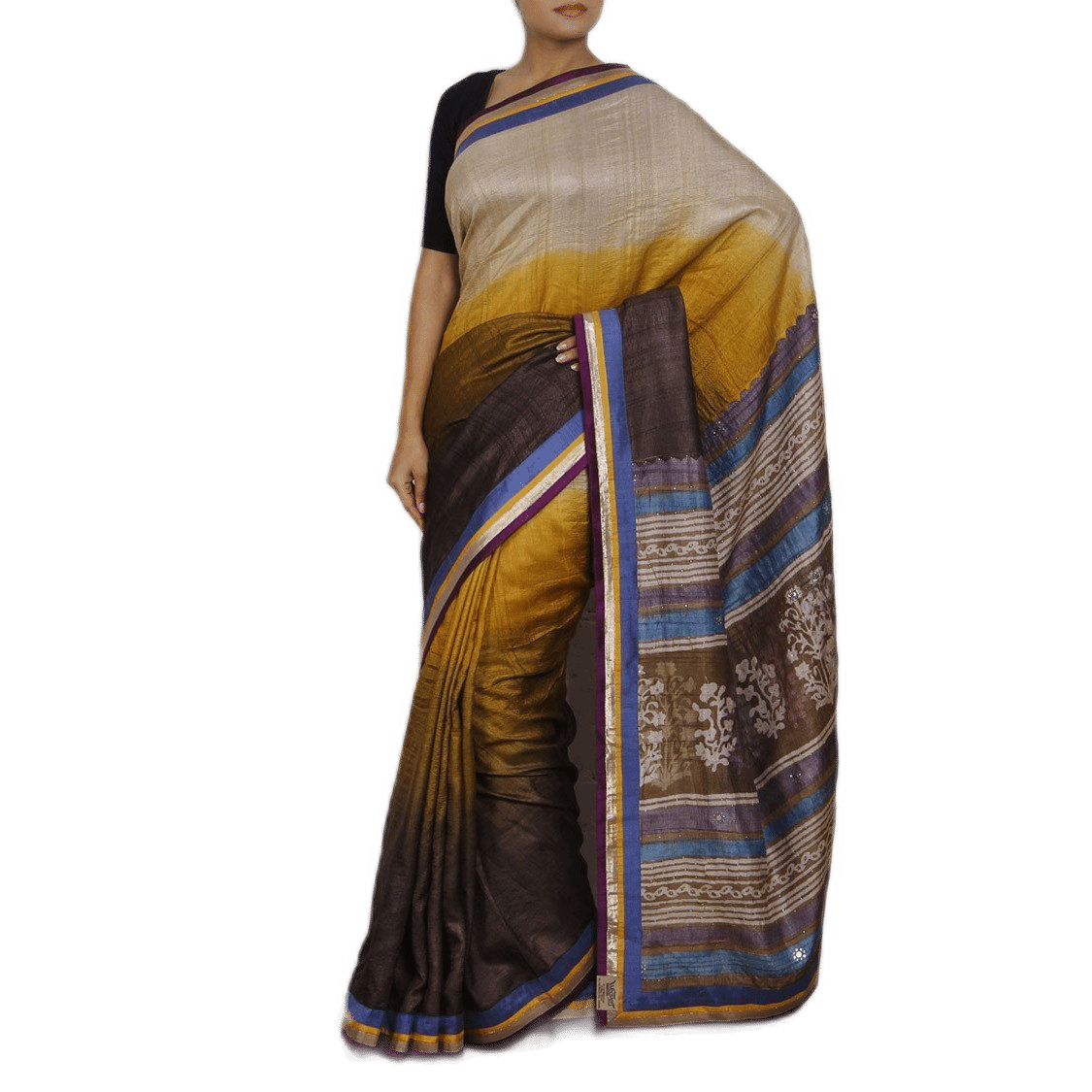 Weavers Studio · Silk SareesBeige & Dark Brown Silk Saree
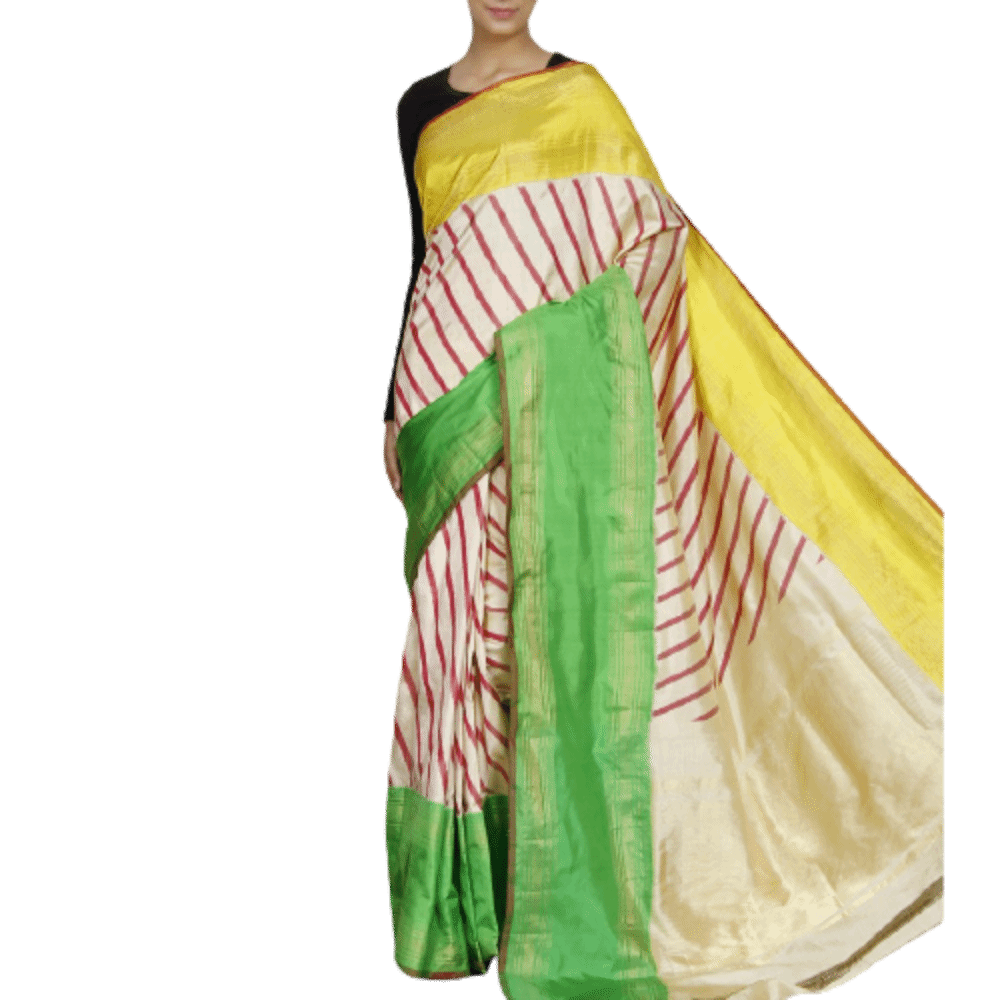 7 Karigar Gali · Silk SareesBeige & Green Handwoven Pochampally Silk Saree
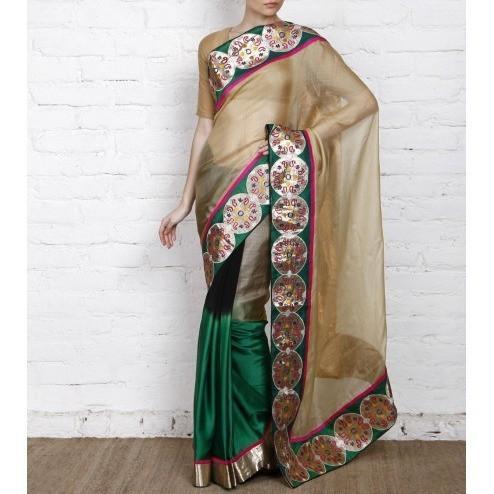 Pretty Women · Silk SareesBeige & Green Kota Silk Saree