
In this guide
Sort the wardrobe by consequence
Make three piles in your head. First come things that you would not mind wearing again with a small mark. Next are pieces that could be used in a quieter role after the occasion. Last are the items with sentimental value, delicate work or a cleaning bill that would put you off wearing them again. Choose the main outfit from the first group if you expect close contact with turmeric. Save the last group for photographs or another event where contact is less likely.
A yellow ground does not make a garment stain proof. The actual shade and material, the substance that touches it and the way it is cleaned all matter. A printed surface might make a small change less obvious, but it is not armour. Pick yellow if you like it or the invitation requests it. Do not pick it because you believe it will guarantee a spotless journey home. If the family has asked for another colour, that information takes priority over a general idea of what a haldi ought to look like.
Think about the route of your hands
Sleeves, cuffs, the side of a bag and the end of a scarf are the things you are likely to touch without noticing. Try reaching across a table and handing something to a person beside you. A wide sleeve that dips toward a bowl might be a poor choice for this occasion even if the garment washes easily. A loose end that keeps sliding forward could be more useful tied or folded in a secure way, provided that is comfortable and does not damage the material.
Keep the change simple
If you plan to switch outfits afterwards, decide whether you need a whole second look or just a clean top. A complicated change that requires help may be less useful than an easy piece you can manage in a small room. Pack a separate bag for anything marked, and tell someone who is helping you which garment is the clean one. At home, let the condition of the cloth and its care instructions guide the next step. Do not compound a small surface mark with a sequence of improvised treatments. You chose a celebration rather than a laboratory experiment, and your clothing plan should let you remember it that way.
Decide what happens after a mark
Give each part of the outfit a realistic care destination. Can the top be dealt with according to its label at home? Is the dupatta something you would take to a specialist? Would a mark near the hem change whether you were willing to wear the piece again? If you cannot answer these questions, keep that item away from the most active part of the ceremony. A less precious garment can make it much easier to accept a warm welcome without a moment of hesitation.
Bring a clean carrier for the journey home and keep any damp or marked area from pressing against the clean change of clothes. At home, do not leave everything compressed in the bag. Check the care instructions and seek professional advice where appropriate. Tell a cleaner the nature of the mark rather than asking for a mysterious yellow patch to be removed without context. Do not assume that the same technique is suitable for the lining, decorative thread and main fabric. No method can guarantee the original appearance on every piece. The smartest protection is the decision made before the event about which garments you are willing to expose. It is also the one decision that does not require carrying anything extra in your bag.
Pack the change as its own outfit
Give the second part of the day a separate bag or compartment. Put everything you need for the change together, including the small things you are most likely to leave in a drawer. If a blouse needs a particular underlayer, fold them as a pair. If a wrap is the only part of the change, keep it where you can reach it without taking the first outfit apart in a busy room.
Make a second space for what comes off. An empty soft pouch keeps jewelry out of the folds of a garment. A separate carrier keeps marked or worn clothing from touching the fresh piece. Do not seal damp textiles away for longer than the journey home. Check where the bag can be left and who will have access to it. A change stored in a car you cannot reach until the end of the evening is hardly a change at all. Before leaving, do a quick rehearsal in reverse. Take out the item you will need first, use it, and put the replaced piece away. If that takes three hands in your bedroom, simplify it before trying it in a crowded washroom.
Give a small sample a specific purpose
A scrap or swatch is useful because it answers a narrow question without putting the whole garment at risk. Ask whether the seller or tailor has a spare piece; do not cut one from something you might return. In daylight, compare it with the other colours in your outfit. Fold it into four layers and look at the change in shade. Hold the edge against lining material if the amount of coverage matters to you.
Write down where the sample came from. Similar names do not guarantee that a sample from another garment has the same dye, finish or fibre content. If a professional recommends a test, follow the care instructions for that specific textile and remember that a small sample cannot represent every embroidered or lined area. Keep an untouched part for comparison. When you visit a shop or tailor, carry it in a clean envelope with the product reference and the question you still need answered. This tiny record can save a great deal of uncertainty if you are looking for a trim days later under different lighting. It is evidence about one fabric, not permission to assume every piece in the same colour will behave identically.
If you plan to borrow a piece, tell the lender where you want to wear it. Permission to borrow a dupatta for dinner is not necessarily permission to expose it to turmeric. A quick conversation avoids an awkward one afterwards. If you are lending instead, offer something whose ordinary use and care you are genuinely happy to leave in another person’s hands.
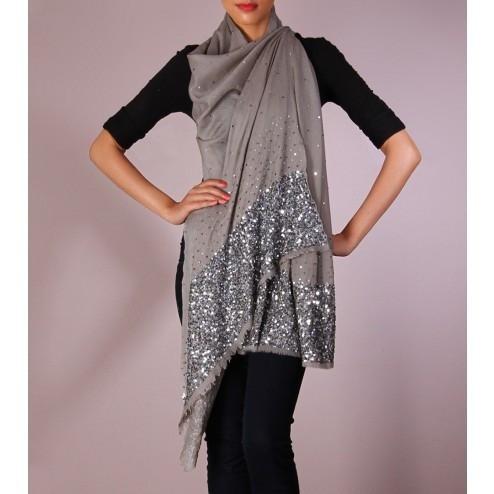 Vuala · Dupattas - WrapsGrey Sequined Cashmere Shawl
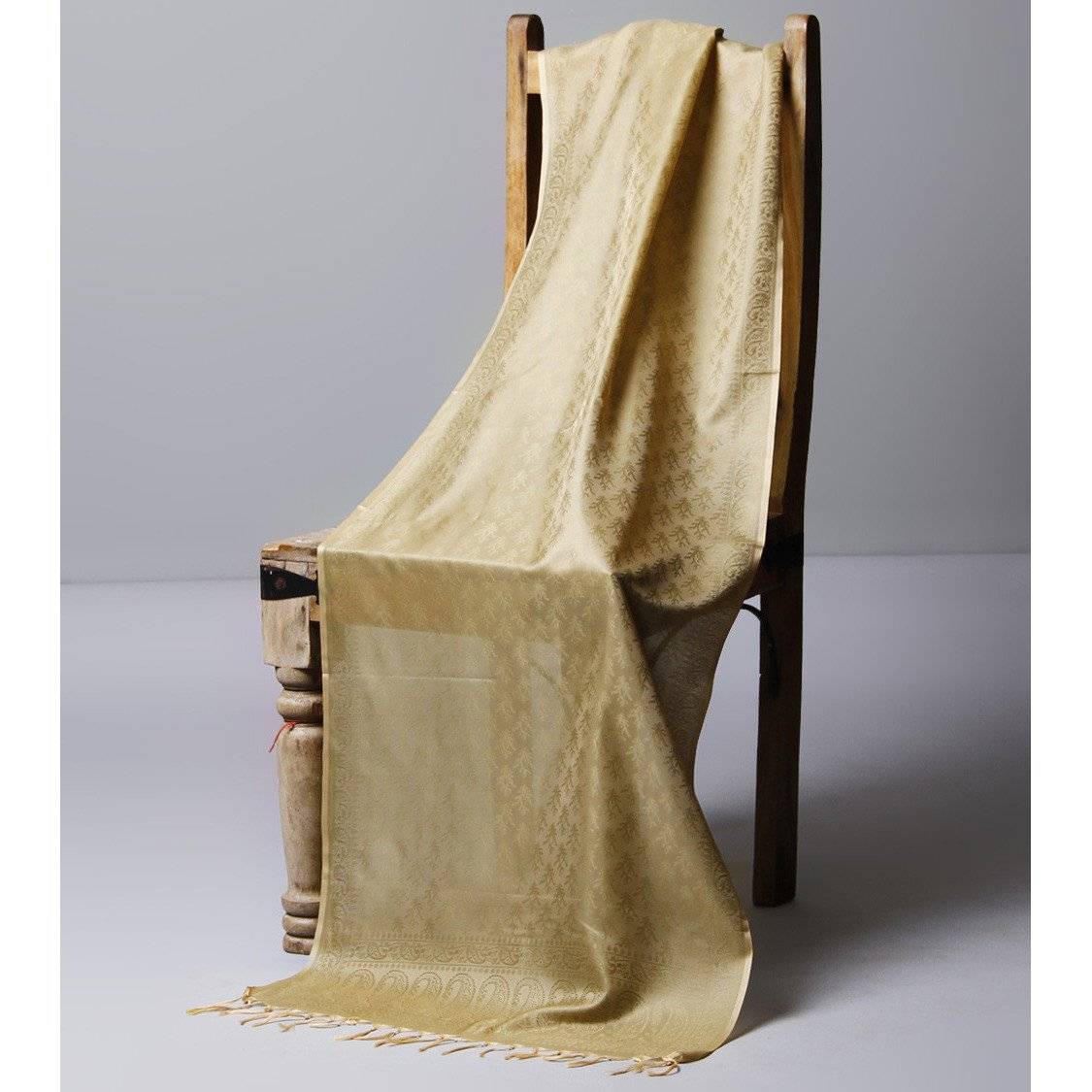 Kehri · Dupattas - WrapsBeige Cotton Silk Stole
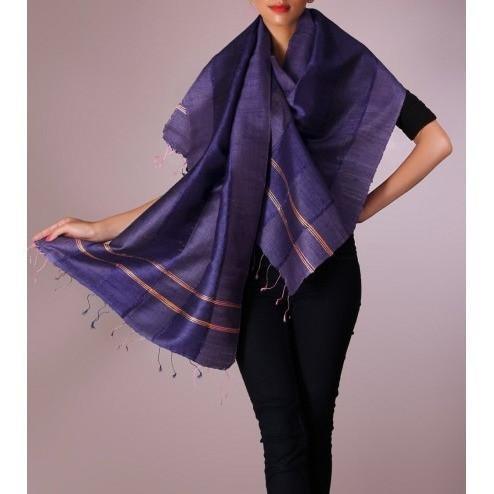 Vuala · Dupattas - WrapsBlue Handwoven Raw Silk Stole
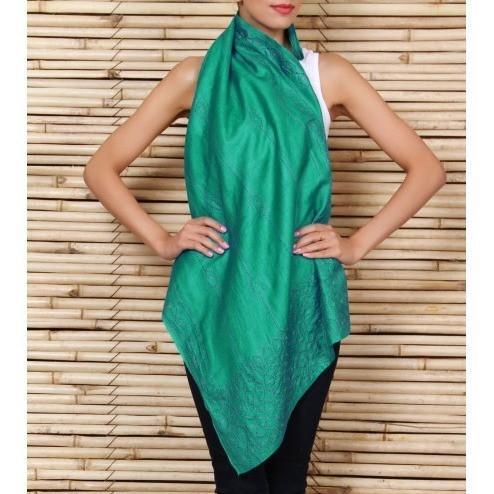 Sadhna · Dupattas - WrapsBlue Silk Stole with Kantha Work