
In this guide
Ask what you have been offered
A loan for an afternoon, a gift to keep and permission to alter are three different things. Clarify which one the owner means while everyone is still relaxed. Ask whether there are family photographs of the saree being worn and which part of the design they remember most fondly. A small repaired area you were about to conceal may be the detail that makes the garment recognisable to them. If several relatives think of it as a shared piece, do not assume that the person who fetched the box has authority to approve irreversible work.
Write down the story in the words the owner uses, distinguishing memories from documented facts. A saree bought in a particular city need not have been woven there. A family name for the fabric need not identify every fibre in it. Neither uncertainty takes away its personal value. Label a photograph or a note rather than writing on the cloth. A short recording made with permission can be especially meaningful if you are giving the outfit to someone who did not know its first wearer. The memory deserves to travel even if the fabric is too fragile to wear.
Look before you plan a drape
Clear a surface large enough to support the fabric and inspect it in good indirect light. Remove rings or a watch with projecting parts. Unfold gently and stop if layers seem stuck or a fold is breaking. Look for areas thinned by old pleats, tears near the upper edge, damaged fringes or decorative threads pulling away from the ground. Do not stretch the cloth to prove it is sound. Note where problems occur and take clear pictures for somebody experienced in textile conservation or repair. A photograph will not diagnose everything, but it makes the first conversation more precise.
If the condition is uncertain, avoid steam, stain removers and improvised washing before getting advice. Age, unknown dyes, metal thread and past repairs complicate seemingly simple cleaning decisions. The presence of one sound section does not mean the shoulder or waist can bear the loads of a normal drape. Conversely, an old saree is not automatically unusable because it has a visible mend. Ask an experienced professional to distinguish a cosmetic mark from a structural weakness. The answer affects whether you should wear it for hours, display it briefly or bring its colours into an outfit made of other cloth.
Find out what you can change without cutting
Start with the blouse. A new blouse in a related solid can transform how an old saree looks while leaving the saree intact. Compare a colour from the body, one from the border and a neutral you already wear. If the original blouse is part of the family's memory, store it safely rather than forcing it to fit another person. There is no requirement that a new wearer reproduce the old silhouette exactly. The familiar border beside a very different neckline can make the connection between generations clearer rather than weaker.
Use a different saree of similar dimensions to rehearse your preferred arrangement. This lets you work out the height, shoulder width and amount of fabric needed at the waist without repeatedly folding a delicate piece. Decide where the most meaningful design should appear. If the pallu is the part everyone recognises, a photograph with that end fully visible may matter more than recreating every pleat. Do not use adhesives or pierce delicate fabric as a shortcut. Ask a skilled draper about suitable support and tell them about known weak spots before they handle the heirloom.
Plan an appearance the cloth can manage
Separate the moments when you really want the family saree present from the moments when any comfortable outfit will do. You might wear it for a quiet portrait and change before dinner, or have its owner show it to younger relatives at home rather than taking it across town. If it is safe to wear but hard to replace, think about rain, crowded floors and food service. A second outfit is not an admission that the first one failed. It can let you enjoy the rest of the event without spending it guarding a precious border.
If a tailor suggests turning the saree into a different garment, ask for a drawing showing every cut, join and unused section. Find out whether the design can instead be made in new cloth with a colour or motif inspired by the original. Once a cherished pallu is cut, photographs cannot restore its full dimensions. Agree on the plan with the owner and any other people whose consent is needed before handing it over. Keep a written record of the decision, especially when the person commissioning the work is not the person who will eventually receive it.
Ask whether there is an original bill, care card or letter tucked into the storage box. Keep paper records separately from the cloth but connected by a shared label. A few dated words about where the piece came from may answer a later question that its appearance alone never could.
Hand it back with more than a thank you
After use, place the garment on a clean supported surface and inspect it against your starting notes. Remove any temporary accessories carefully and tell the owner promptly if you notice a change. Do not conceal an accident by arranging cleaning without permission. A cleaner selected in haste may know less about the piece than the person who has cared for it for decades. Confirm the agreed storage arrangement and return any separate blouse, wrapping cloth or family photograph that came with the saree. That wrapping cloth may have a history as well.
Add a picture of the new wearer if they are happy to share one. Note the occasion and date, and store the image separately from the textile. The next person who opens the cupboard will have a record of two moments rather than a mystery about a newly repaired edge. If the decision was not to wear the saree at all, you can still make a portrait of the owner with the open box or record the story of its purchase. Keeping a family piece in use can mean keeping its history available, not requiring it to survive one more crowded dance floor.
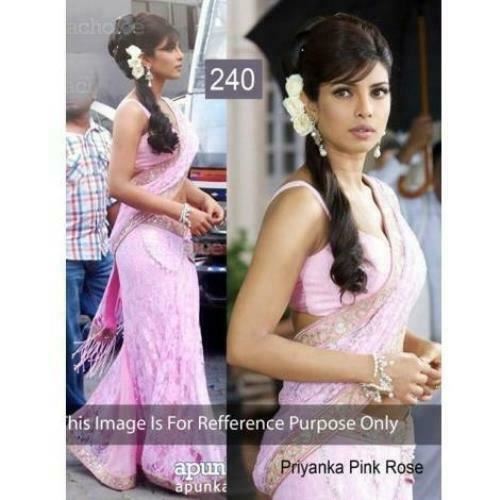 rangoutlet.com · Net SareesRam Chand Punam Chand (RCPC) BOLLYWOOD PRIYANKA PINK ROSE DESIGNER SAREE - Onlin
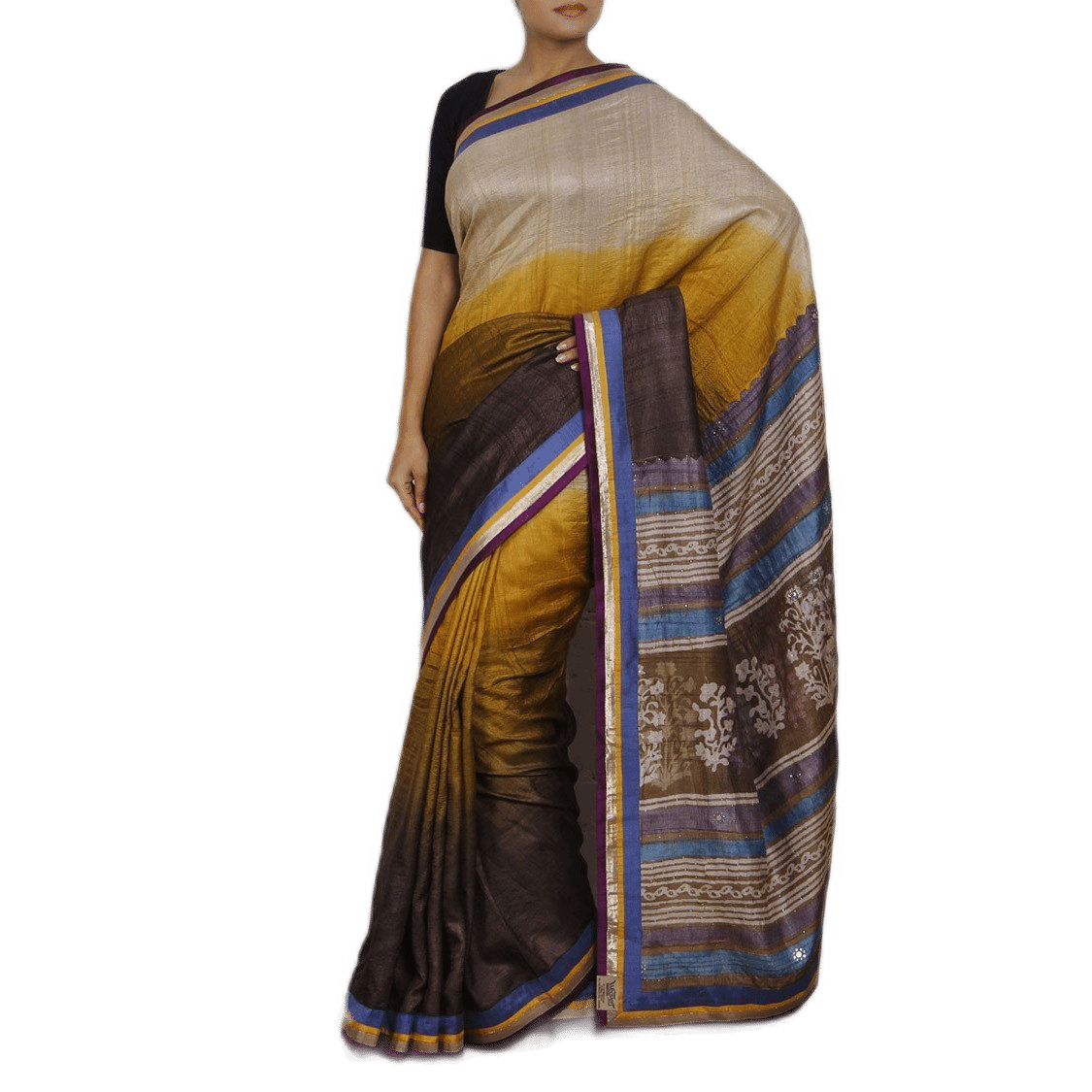 Weavers Studio · Silk SareesBeige & Dark Brown Silk Saree
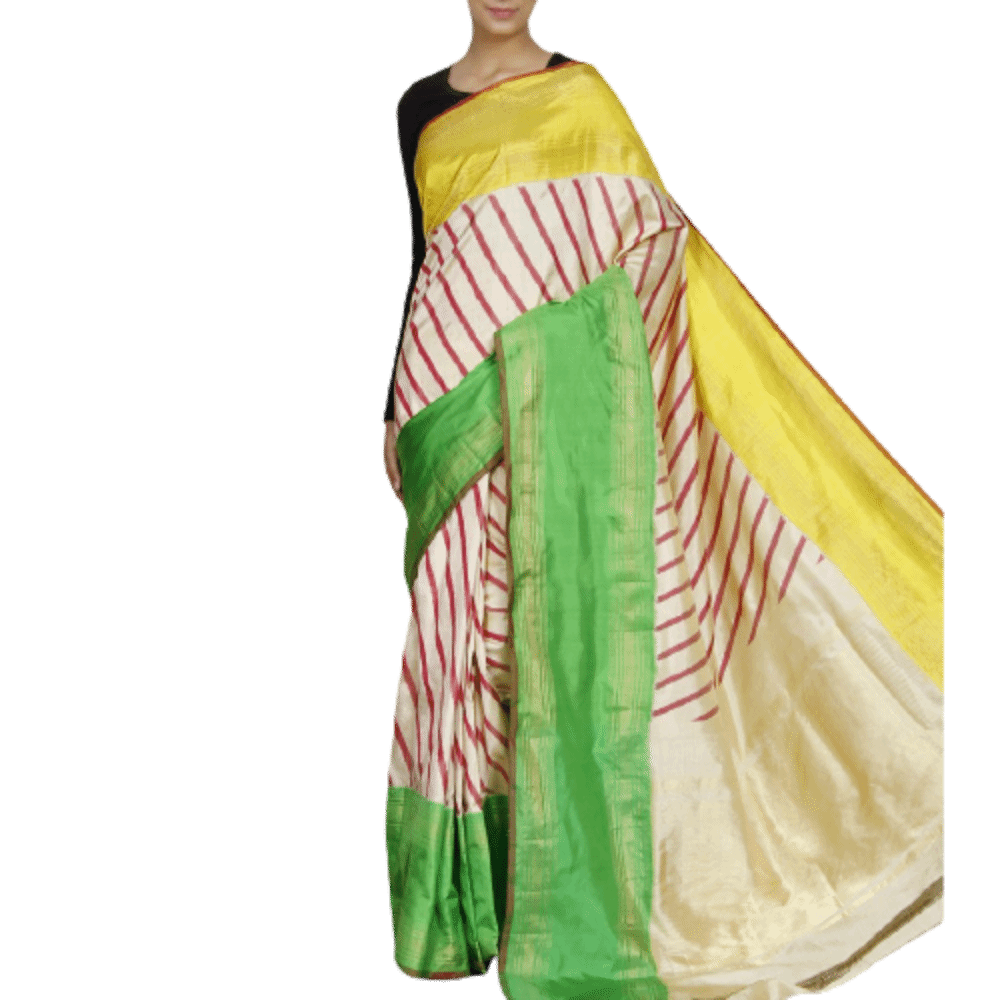 7 Karigar Gali · Silk SareesBeige & Green Handwoven Pochampally Silk Saree
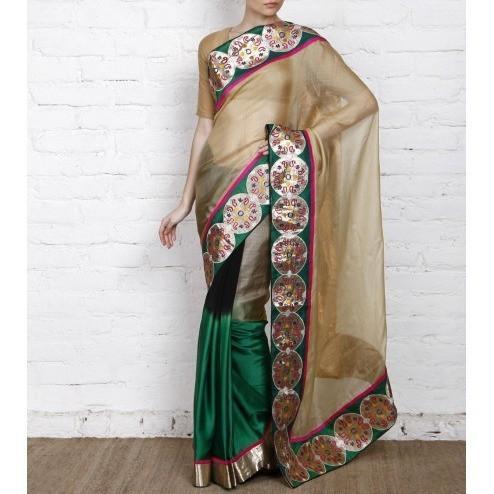 Pretty Women · Silk SareesBeige & Green Kota Silk Saree