
In this guide
Follow the strap and the hem
Put on the bag you use most days and look at where its strap lands. A rough underside can rub a delicate shoulder panel. A heavy bag can pull a loose wrap toward one side until it needs constant attention. A backpack covers the back detail you might be paying extra for and can flatten an elaborate shoulder. None of that means decorative kurtas are unsuitable for commuting. It means you should know which decorative areas will actually be visible and which will bear weight.
Walk up a few ordinary steps with the bag loaded as it usually is. Can you reach the handrail? Does one side of the hem keep moving beneath your shoe? Sit down and stand again without putting the bag on a clean surface. Notice whether the side openings let you take a normal stride and whether your usual trousers show in a way you like. Try the same route with the shoes you will wear on the journey, even if a different pair lives under your desk.
Plan for the temperature change
An outdoor wait and an air conditioned room may require different layers. Choose the layer you can remove and carry easily. A large shawl can be lovely at your desk but take up the entire bag on a warm platform. A lighter stole may supply colour rather than meaningful warmth. If temperature is the reason for buying, compare the piece with a layer you already know works rather than choosing from a photograph of someone outdoors.
Decide what counts as ready for tomorrow
At the end of a trial day, look at the areas that met the bag, chair and desk. Check for friction, crushed decoration or creases that bother you. Consult the care instructions before applying heat or trying to press decorated areas flat. Decide whether the amount of attention the garment needs fits your week. If it does not, it can still be an excellent choice for a shorter journey or a different occasion. Buy the everyday version for its repeatable comfort, and let the special version keep its special features. A store can tell you the fabric and dimensions of a kurta. Only your own doorway, commute and chair can tell you whether it is the piece you will reach for on a work morning.
Keep movement checks specific to your job
Someone who spends the morning at a reception counter needs different reach from someone who works mostly at a keyboard. Choose two ordinary tasks from your actual day. For the counter, try extending an arm to pass a folder and turning to reach a shelf. For desk work, sit close enough to type and see where the cuff rests. Check whether you can do those tasks without rolling a sleeve up over dense embroidery or pushing a scarf out of your way every few minutes.
Then look at the garment from the distance a colleague usually sees it. Details near the knee may be hidden behind a desk. A distinctive collar may provide plenty of interest without any extra jewelry. If you wear an identification badge, clip or hang it as usual and see whether it pulls on a delicate front panel. There is no reason to make an outfit compete with an object you must wear for work. Put the decoration elsewhere if necessary. This is not about making work clothes dull. It is about choosing the details that remain enjoyable after the hundredth time you reach for a file, use a mouse or put your bag over your shoulder to leave.
Choose a hem for the journey shoes
Start the trial in the shoes you use to leave home. If your office pair has a different heel or sole, do not measure the hem with those on and hope it clears in trainers. Check the edges as you step onto a low, stable step. Watch a side opening too. A long front panel may move freely while the back panel catches under your shoe when you step down. A quick test indoors can save an uncomfortable discovery at a station entrance.
For rainy journeys, consider what could brush against a wet seat or a splashed pavement. A pale, very wide trouser can be less practical than a slightly narrower one even when both coordinate well. You need not dress for the worst imaginable weather every day. Keep a reliable bad weather combination in mind and save the more delicate pair for a dry journey. If you carry a separate pair of office shoes, check that the additional weight does not make your bag pull awkwardly on the kurta. Sometimes the most useful wardrobe adjustment is leaving the spare pair at work where that is allowed, rather than buying a different garment to compensate for a bag that is needlessly heavy.
Find the restriction with the bag on
A kurta can pass a changing room fitting and still pull when you wear a backpack. Try the movement once with no bag, then again with your usual bag in position. If the problem appears only on the second attempt, take a look at the strap and back panel before blaming the size. The bag may be holding the cloth still against your upper back while your arm moves forward, creating a tightness that is not present in the garment alone.
If the sleeves restrict you even without the bag, compare the shoulder and arm opening with a woven garment you trust. A bigger size is not automatically the answer. A different sleeve shape or a little more room across the back may matter more. Notice whether the front placket gapes when you sit with your arms forward. If so, check the chest measurement and the spacing of closures rather than hoping a scarf will conceal the issue throughout the day. Ask for the measurement that corresponds to the problem you can reproduce. This way an online sizing conversation begins with a real movement and a reference garment instead of a general request for something comfortable, a word that can mean a hundred different things to different shoppers.
Leave a short note beside the garment after a full day. Write down the one feature you would repeat and the one you would change. For instance, you might keep the sleeve length but want a smoother shoulder. That small record turns a week of real wear into a much better buying guide than a general memory of liking the colour.
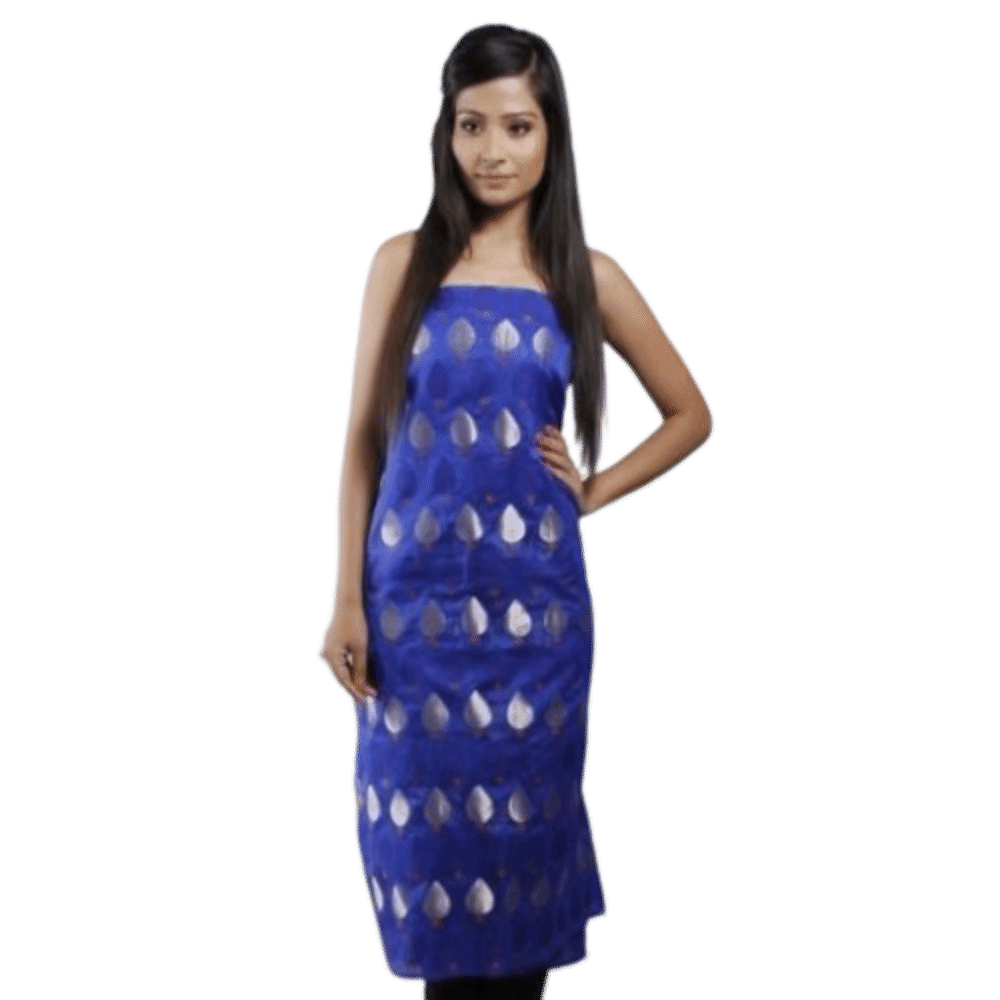 Kehri · Designer KurtisBeige & Blue Unstitched Chanderi Silk Kurta
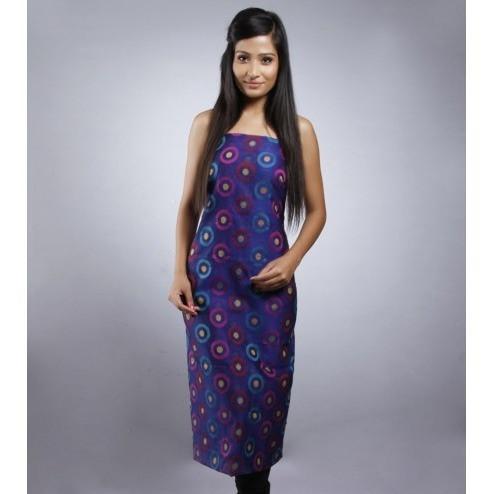 Kehri · Designer KurtisBlue & Purple Unstitched Chanderi Cotton Kurta
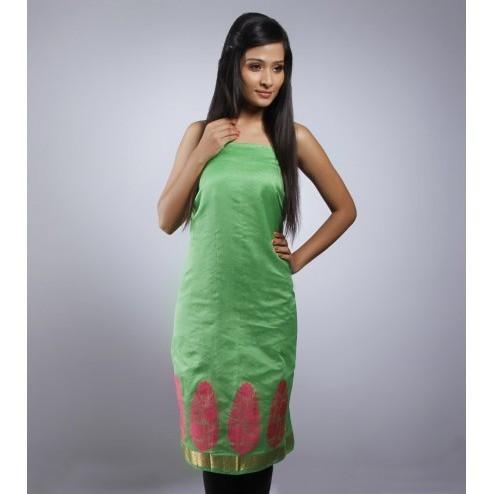 Kehri · Designer KurtisGreen Unstitched Chanderi Cotton Kurta
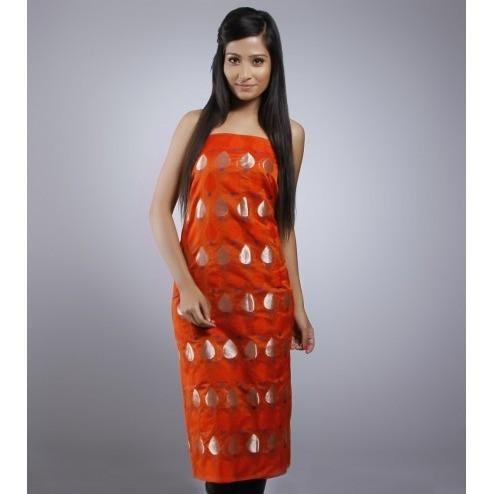 Kehri · Designer KurtisOrange Unstitched Chanderi Silk Kurta