
In this guide
Find out what the invitation actually includes
A mehendi gathering may be an intimate afternoon at home or part of a larger evening with dinner and dancing. Ask the host about the setting, formality and whether guests are likely to have henna applied. You can enjoy the celebration without assuming that every guest will receive a full design or that everyone must wear a particular colour. If you will be helping the host, think about your responsibilities before choosing a time to sit for henna. Somebody greeting arrivals or arranging food may prefer to wait until those jobs are finished.
Picture the hour after application, not just the moment at the artist's table. Will you need to collect a child, travel to another venue, eat a meal or change clothes? Ask the artist what timing and aftercare they recommend for the specific service, and plan around that guidance. Avoid promising yourself a quick outfit change that requires tight sleeves to pass over newly decorated hands. If the gathering comes immediately before another commitment, a smaller design or simply watching the process may fit your day better. That is a scheduling decision, not a failure to participate properly.
Try the sleeve test with your actual outfit
Stand in front of a mirror, bend your elbow and raise your forearm as though presenting your hand. Does the sleeve remain above the planned design without being held? Loose bell sleeves can swing forward when you lean across a table, while narrow cuffs can be difficult to push back. Sleeveless or short sleeved pieces are options if they fit your comfort and the setting. A longer sleeve can also work if its shape stays clear. Test the particular garment instead of choosing by a rule about sleeve length that ignores width and movement.
Sit down and rest your forearms in front of you. Check where the edge of the dupatta falls. If it slides off your shoulder when you reach, arrange it differently before the event or choose a layer that can be removed and put away. Do not depend on catching a falling end with freshly decorated fingers. If coverage is important to you, build it into the main garment rather than relying on a wrap you cannot adjust. A plain lined kurta with the right sleeve may be easier to live in than a spectacular top with a layer that needs constant supervision.
Choose clothes for the seat you may get
Ask whether the gathering uses ordinary chairs, floor cushions or a mixture. Try sitting in your outfit at a similar height at home if that movement is comfortable for you. Check the ease at the knee, waist and hip. Notice how much fabric has to be moved with your hands before you can stand again. A long flared skirt looks lovely around a low seat, but a hem that takes two hands to gather may be inconvenient after the appointment. Work with your own mobility needs and ask for suitable seating rather than expecting a garment to solve an inaccessible arrangement.
Consider the floor and the journey between the artist's place and the dining area. Shoes that need regular refastening may be difficult to manage. A bag hanging low at your hip can swing into the edge of a table as you turn. Avoid irreplaceable clothes if the chance of a mark would prevent you from relaxing, but do not assume a dark colour makes a garment resistant to stains. Follow the care information if a mark occurs. Rubbing an unfamiliar delicate surface in a hurry may do more damage than taking the piece to a qualified cleaner later.
Decide what can happen without your hands
Set up your phone, transport plan and a safe place for your belongings before you sit. A crossbody bag may keep your property close, but its clasp still matters if you need both hands to open it. A small bag held by a trusted companion could work if you agree where they will be and when you will need it. Do not ask the artist to guard valuables while working. If you expect to take photographs, take a few beforehand or ask a friend who is happy to help, rather than trying to operate a touchscreen with awkwardly held fingers.
Think about the order of the afternoon. Use the restroom, adjust clothing, arrange a drink or eat before the appointment when that suits the hosts' schedule. Test closures on trousers and blouses while considering what you can comfortably manage later. A complicated tie hidden behind a long top may be more trouble than an ordinary familiar fastening. If both hands will be decorated, arrange practical help in advance rather than assuming a relative can abandon their own plans. The best accessory in this situation might be a clear agreement about who has the car keys.
Choose the chair before placing your bag. A strap looped around a chair leg for safekeeping is no help if you must lift the occupied chair to free it later. Put essentials where they remain under your control without becoming an obstacle for the next guest.
Keep the rest of the look simple to manage
Choose jewelry that stays clear of the artist's work and can be removed safely before you sit. Take off rings, watches or bracelets as advised and place them in a secure personal pouch, not loose on a shared table. Earrings can provide plenty of decoration without occupying the wrist. Test them with your hair arranged as you intend to wear it so you are not pushing loose strands behind your ears repeatedly. If you like a strong pattern, let it live in the body of the garment rather than in long fringe hanging beside your hands.
At the end of the appointment, follow the artist's instructions rather than improvising with clothing, bags or household treatments. Leave enough time to get to your next stop without handling tickets, heavy doors or luggage in a rush. When you get home, note the combination that worked: the sleeve that stayed put, the seat that felt comfortable or the friend who kept your keys. Those details are much more helpful for the next invitation than a photograph of the outfit alone. They let you remember the afternoon for its conversation and celebration rather than for the number of times somebody rescued your cuff.
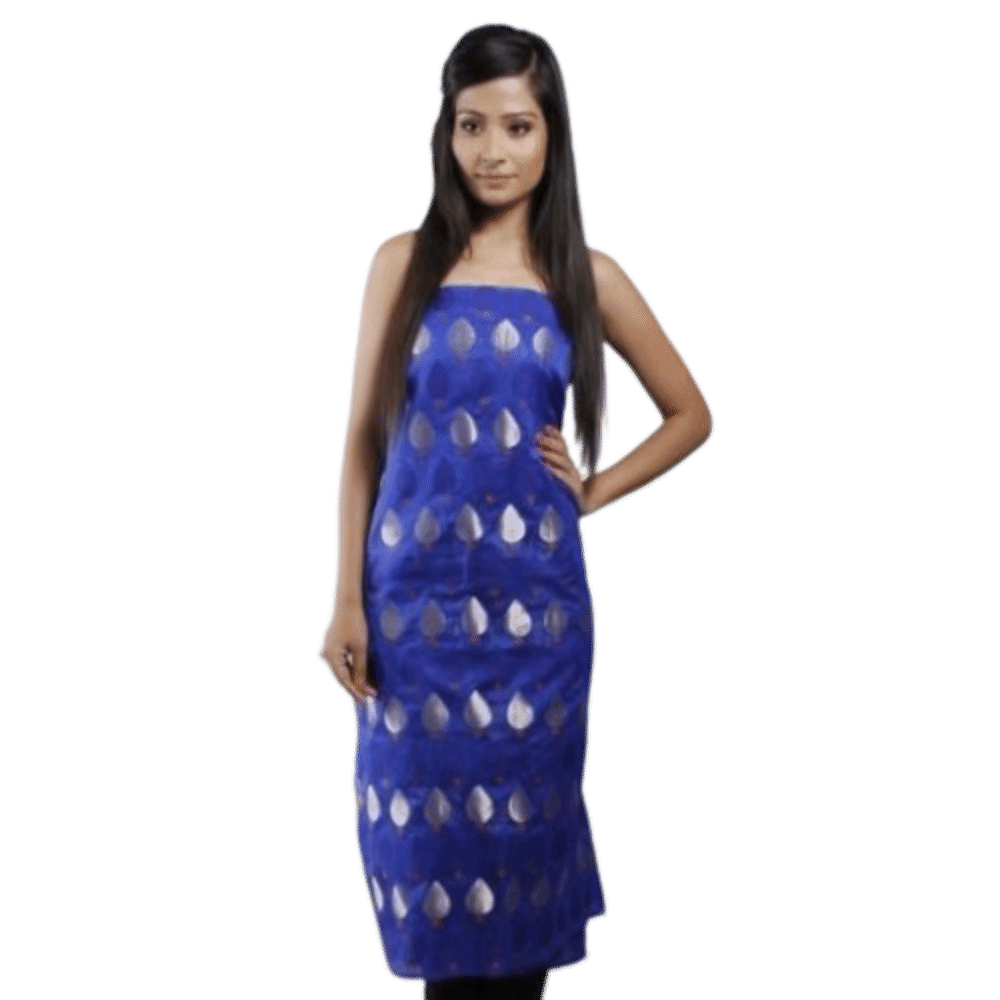 Kehri · Designer KurtisBeige & Blue Unstitched Chanderi Silk Kurta
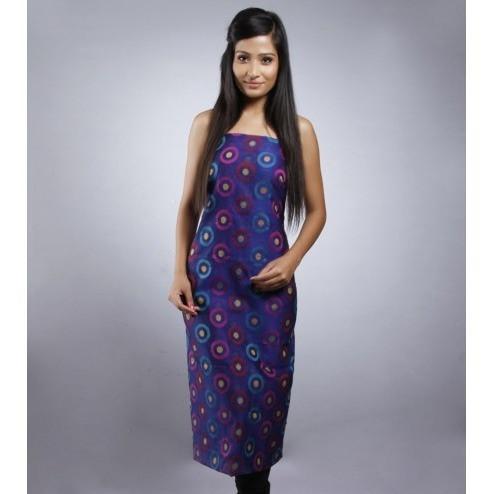 Kehri · Designer KurtisBlue & Purple Unstitched Chanderi Cotton Kurta
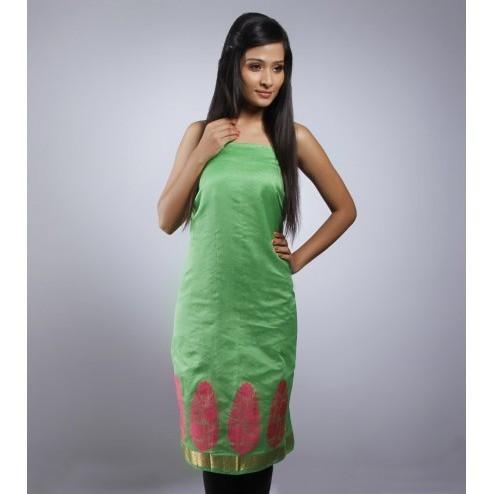 Kehri · Designer KurtisGreen Unstitched Chanderi Cotton Kurta
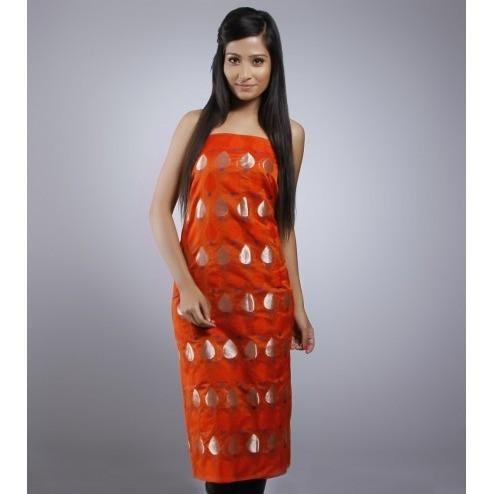 Kehri · Designer KurtisOrange Unstitched Chanderi Silk Kurta