
In this guide
Ask what the dance involves
Find out whether you will be in a rehearsed number, taking part briefly with family or mostly watching and joining in later. For a performance, ask about arm movements, changes of direction, entrances and the available floor space. A group turning close together creates different clothing needs from a solo walk onto a clear stage. Check whether the hosts have a palette or level of formality in mind. An outfit should respect their plan without assuming every sangeet calls for the same silhouette or that the most heavily decorated option is necessarily the most festive.
Mark the moments in the routine that challenge clothing rather than judging everything by the final pose. Do your arms go overhead? Do you take a wide step, turn near another dancer or sit down before standing quickly? Use the part of the choreography you already know and ask the organisers about any uncertainties. If you have limited mobility or prefer not to do a movement, discuss an adaptation with the organiser. Trying to solve an uncomfortable movement by tightening an outfit or ignoring your own needs is not a good preparation for an enjoyable performance.
Try the base without the decoration first
Wear the main garment with the foundation and shoes you intend to use. Before adding a dupatta or accessories, walk, turn gently and raise your arms through the planned range. Watch what happens to the waist, shoulder and hem after the movement ends. A blouse that stays lifted until you pull it down will need attention during the routine. A skirt that turns around the body may move its fastening into an uncomfortable position. Resolve the basic fit before adding more layers. Jewelry cannot make up for a waistband that is only comfortable while standing still.
Think about volume as well as weight. A light flared skirt may swing wider than you expect and meet another dancer, while a narrow straight garment may prevent a large step even though it feels easy to walk in. Test within a clear safe space and begin slowly. A full performance at maximum speed is not necessary to discover that a hem catches on a shoe. If the garment is borrowed or rented, ask what adjustments are allowed and avoid alterations that breach the agreement. Choosing another cut can be a simpler solution than trying to make one costume do everything.
Decide where the dupatta ends go
Arrange the dupatta as you expect to wear it and repeat the movements with a friend watching from the side. The front mirror cannot show whether a trailing end reaches the dancer behind you. Check that nothing tightens across the neck or restricts the arm as you turn. A wide drape might look wonderful while seated and become difficult during raised arm movements. Another arrangement may work, or you may prefer to set the layer aside during the number if the outfit and setting allow. There is no need to preserve a styling decision that makes the choreography unsafe.
If a layer needs securing, consult someone skilled with the material and test the method in advance. Do not attach heavy fabric to a weak seam or rely on a last minute adhesive treatment on delicate cloth. A pin is not a universal answer and can damage borrowed pieces. Plan where a removed dupatta will go and who, if anyone, has agreed to hold it. Throwing it onto an unfamiliar chair near the floor is a poor way to preserve a treasured border. A labelled cover in a known place is less dramatic and much easier to find after the music.
Choose accessories by their behaviour in motion
Try the earrings with your actual hairstyle and turn your head gently. Do they swing into your neck, catch on a loose strand or interfere with a collar? Weight felt over a whole evening matters more than the first impression in the box. A statement earring can work for dinner and be replaced by something smaller for the dance if you have a safe place to make the change. Test necklaces at the planned movement level as well. A pendant that bounces against embroidery is a distraction to you and may be rough on both surfaces.
Pay particular attention to shoes and the venue floor. Choose secure footwear appropriate to the surface and your own balance. Do not practise risky turns on a slippery floor to find the limit of a new pair. If you rehearse in different shoes, compare the heel height, grip and way they fasten with the performance pair. Check the hem again after any change. Arrange where your phone and keys will be during the dance instead of carrying a full clutch onto the floor. A free hand is useful both for performance and for getting back to your seat comfortably.
Put a distinct personal label on a shoe bag if several people are changing backstage. Similar pairs disappear into identical covers in poor light. The few seconds you save finding the right shoes are much more useful than discovering at the entrance that somebody else's pair nearly fits.
Make one rehearsal count for the whole evening
Run the entrance, a representative sequence and the exit wearing the settled combination. If everyone agrees, record a short rehearsal for private review. Look for moments when a hand leaves the movement to adjust clothing. That is often more revealing than watching whether the skirt looks spectacular during a turn. Ask another person whether your sleeves or layers enter their space. Correct the smallest real problem and retest that part, rather than buying a completely new outfit because one scarf end was too long in the first attempt.
Finally sit down for several minutes dressed as you will be after the performance. Is there enough comfort for eating, talking and watching the other groups? Will you want a layer when you cool down? Pack any change in the order you will need it and tell a trusted companion where it is if they have agreed to help. A good sangeet outfit does not merely survive a short routine. It carries you back into the room ready to enjoy everyone else's turn, without spending the rest of the night searching for an earring or rearranging a hem.
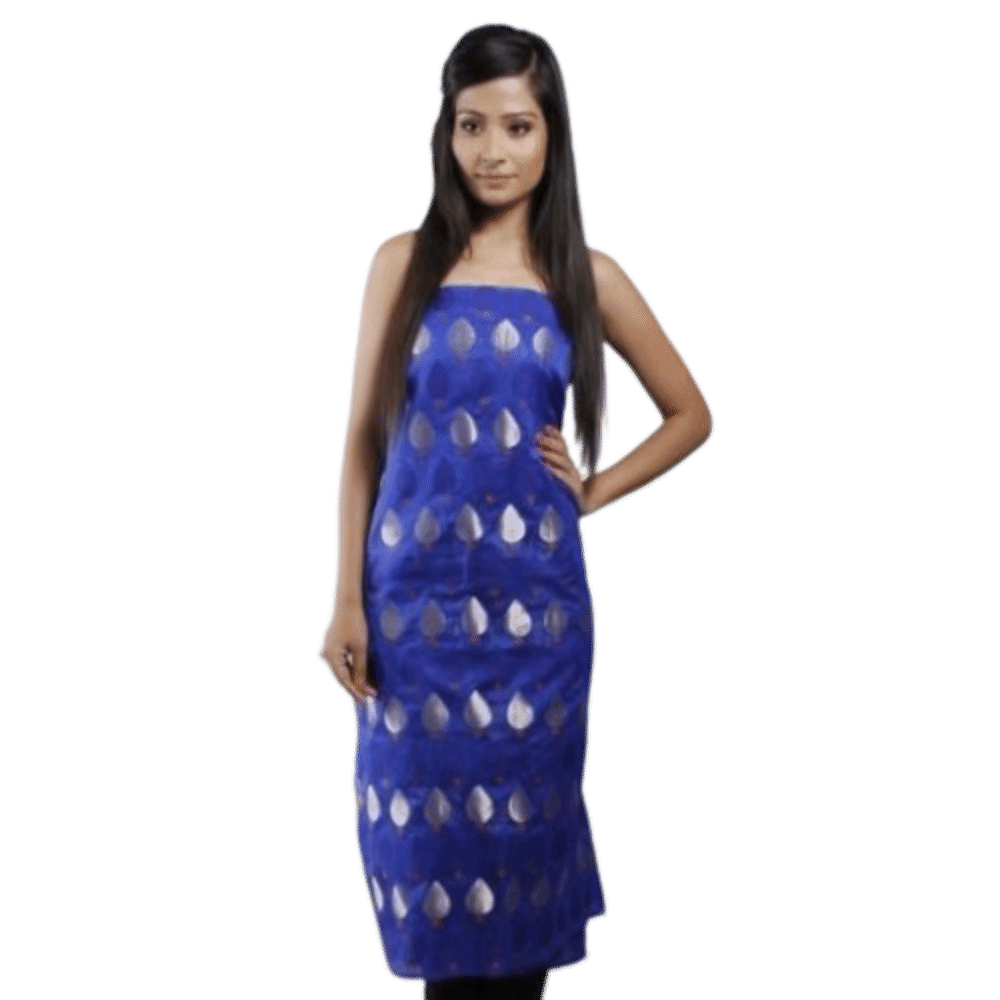 Kehri · Designer KurtisBeige & Blue Unstitched Chanderi Silk Kurta
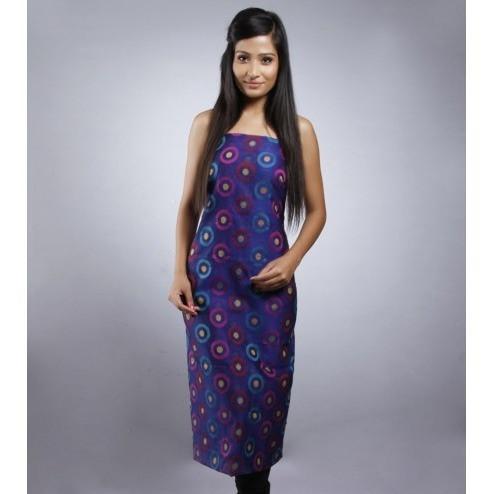 Kehri · Designer KurtisBlue & Purple Unstitched Chanderi Cotton Kurta
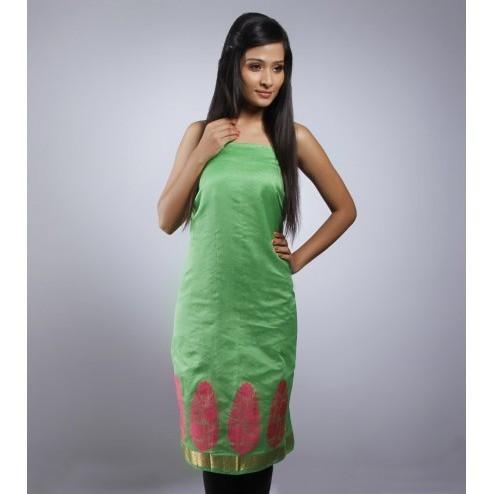 Kehri · Designer KurtisGreen Unstitched Chanderi Cotton Kurta
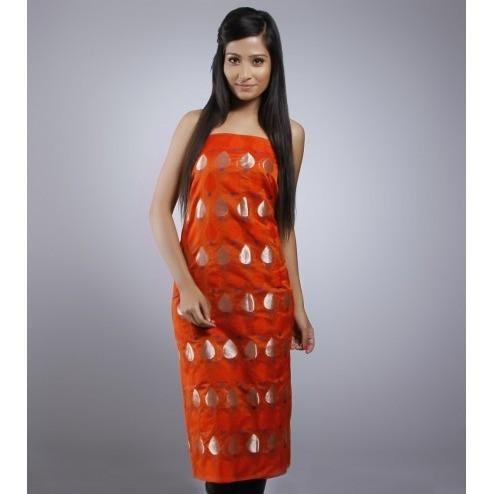 Kehri · Designer KurtisOrange Unstitched Chanderi Silk Kurta