
In this guide
Clear a landing place before taking things out
Spread a clean plain cloth on a table or bed and remove jewelry that could catch on embroidery. Work on one outfit at a time. If you empty the entire cupboard in a burst of enthusiasm, the last few pieces tend to be squeezed back wherever they fit. Lift each garment from underneath instead of pulling it by its ties or decorative edge. Check whether a sharp fastening or pin was left in after the last occasion. A minute spent removing it now is worth far more than an expensive new cover placed over the problem.
Make three spaces for garments ready to store, garments needing attention and things you cannot identify. Record loose beads or damaged seams and keep any detached trimming in a labelled separate envelope. Do not glue the bead back in a hurry or press a mystery mark to see whether it disappears. Follow the particular care label, and seek a cleaner experienced with decorated clothing if there is a stain you cannot safely manage. A closed box is not a treatment for an unresolved smell, damp lining or mark left by food at a celebration.
Let weight decide where a piece rests
Hold a substantial skirt over your forearms and notice which part takes the load. A hanger that supports a light dress perfectly well may focus the weight of a beaded skirt on two small points. Thin ties intended to fasten the waist may not be suspension loops. If hanging causes the waistband to bow or the seam to pull, look for flat support instead. A shelf with sufficient depth can be better than a beautiful hanging cover if the cover merely hides strain. Avoid promising that any single storage method suits every textile.
For items that can be hung, check the shoulder shape against the hanger. A narrow point pushing into a sleeve is a poor fit even if the hanger is padded. Leave enough rail space to remove the garment without dragging sequins across its neighbour. For pieces that should lie flat, limit the number stacked above a decorated surface. Fold only as much as the available space requires and avoid a sharp crease through a stiff motif. Clean, suitable textile storage tissue can support a soft fold. Seek conservation advice for fragile or historically significant pieces rather than experimenting on them.
Protect the surfaces that meet each other
Think about what touches what when the garment is put away. The back of a hook can abrade a fine scarf. A textured border pressed against plain cloth can leave an impression. An exposed zip or pin can catch the next thing pulled from the shelf. Separate components where they need different support and use clean, smooth storage materials appropriate to the fabric. Do not wrap a cherished pale saree in coloured gift tissue or printed newspaper. Neither the ink nor the behaviour of the colour in storage is part of the garment's care instructions.
A matching set need not share one cramped bag to stay together. Give the skirt a supported place, the blouse a shallower space and the dupatta a smooth compartment away from the hooks. Put the same outfit name on each label, with a note directing you to the other pieces. A photograph of the complete outfit can do the same job. This method also helps when two dupattas look similar in poor cupboard light. You can find the correct one without unfolding both and creating a new set of creases just before leaving home.
Choose a location you can inspect
A dry interior shelf away from direct light is usually easier to monitor than a high ledge above a bathroom door. Think about leaks, changes in temperature and whether you can reach the box without dragging it down at an angle. Do not seal moisture into packaging. Let a garment dry fully after appropriate cleaning before putting it away. If the only available shelf is close to a damp wall, solve the moisture issue or find another location rather than hoping a scented sachet will make the cupboard suitable.
Skip strongly scented products pressed against fabric and avoid casual use of pest chemicals around clothing. An orderly shelf allows you to notice a problem earlier. Look for new holes, debris, stains or changes at folds during ordinary wardrobe changes. If you see signs of pests or mould, separate the affected item and seek appropriate local professional advice before placing other pieces beside it. A calendar reminder when you change seasonal clothes is often more useful than an ambitious weekly routine you will abandon after a month. The aim is inspection, not constant handling.
Measure the shelf opening as well as the space behind it. A wide shallow box may fit the interior perfectly but refuse to pass the hinges when full. Try the movement first with an empty container. If you must tilt it steeply to get it out, the decorated contents will slide into a pile each time you need them.
Give the next wearer a map
Label containers on the visible edge. Write burgundy skirt with leaf border rather than wedding things. Include the date and method of the last cleaning if known, any attention needed before wear and where to find its companions. Put this information on the box or a loose card, not on an adhesive label stuck to the cloth. Photographing the piece in ordinary light helps distinguish two similar shades later. If the outfit is shared between households, send the same note with it so the person borrowing it does not have to guess what to do afterward.
Before buying another storage case, practice taking one outfit out and putting it back. Can you lift it with both hands? Is there somewhere to set the lid? Do the other garments stay in place? If the answer is no, reducing the stack or changing the shelf may solve the problem at no cost. A well organised cupboard is not one in which nothing ever moves. It is one that lets you wear a favourite piece on an ordinary invitation, return it safely and still find all its parts the next time you open the door.
 rangoutlet.com · Net SareesRam Chand Punam Chand (RCPC) BOLLYWOOD PRIYANKA PINK ROSE DESIGNER SAREE - Onlin
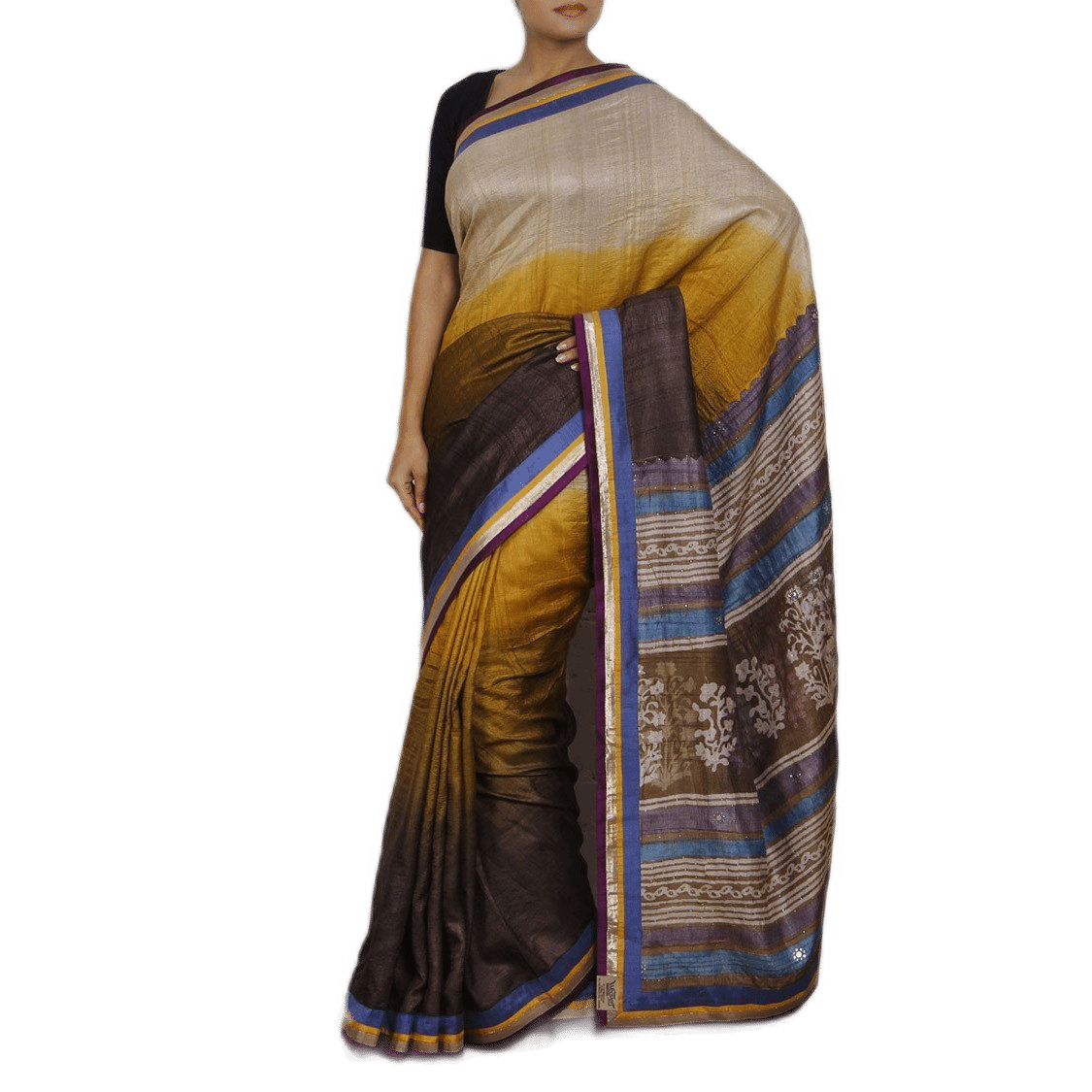 Weavers Studio · Silk SareesBeige & Dark Brown Silk Saree
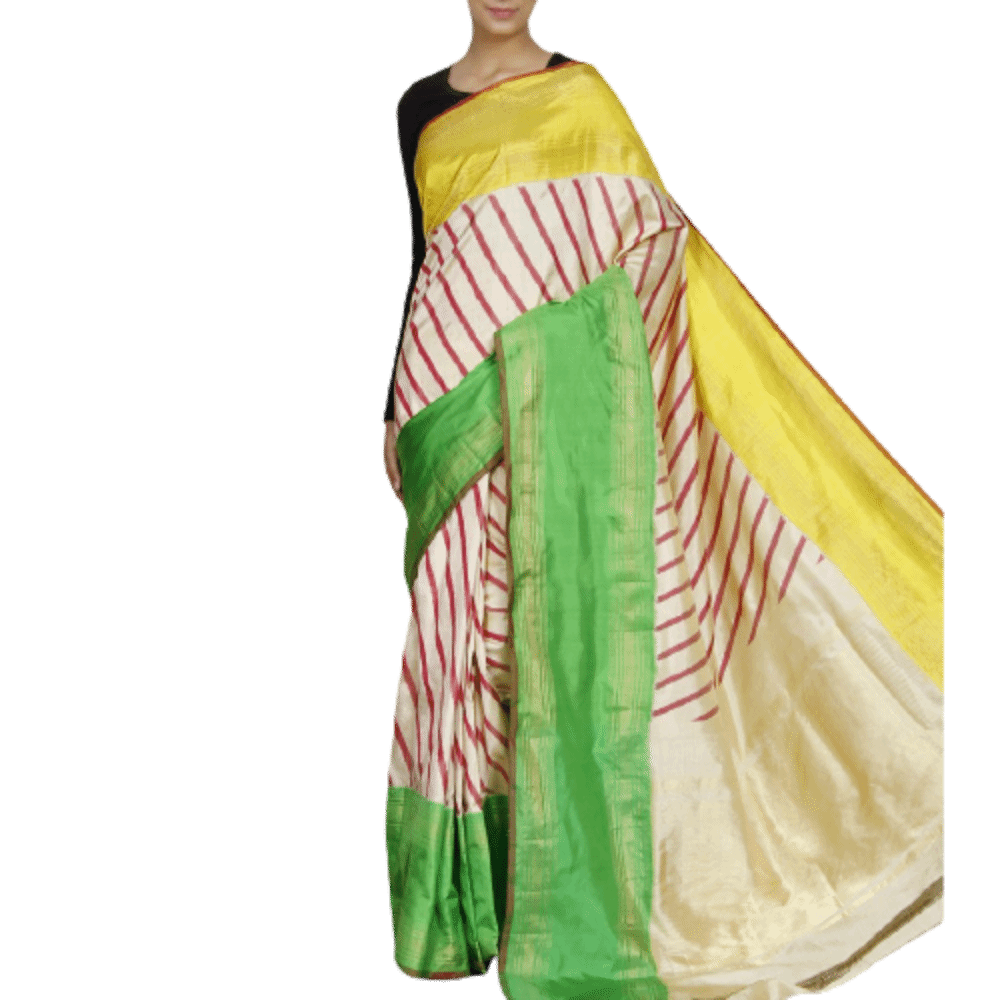 7 Karigar Gali · Silk SareesBeige & Green Handwoven Pochampally Silk Saree
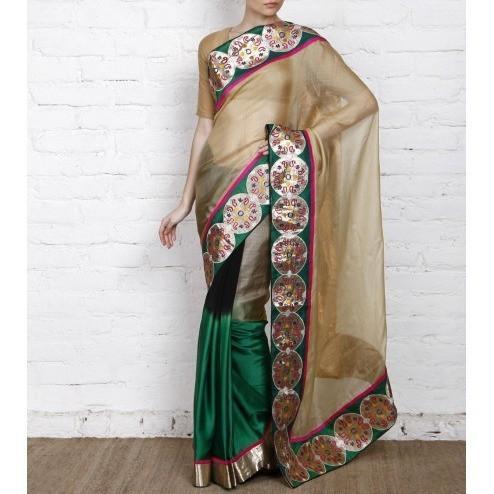 Pretty Women · Silk SareesBeige & Green Kota Silk Saree