
In this guide
Start with the current contents
Ask the seller to lay out everything included in the sale on a clean surface and name each piece. A skirt, blouse and dupatta visible in an event photograph may have been assembled from different sources. The jewelry and belt are particularly easy to mistake for part of a set. Check whether any detachable sleeves, spare beads or original fabric are available. A spare section of plain fabric can be more useful than an elaborate packaging box if you need to adjust a blouse. Do not assume that a storage cover carries any information about the garment inside it.
Find out when the outfit was last worn and whether it has been altered since the photographs were taken. Ask about cleaning, storage and any fragrance or household exposure that matters to you. A piece worn once for a long outdoor ceremony may show more wear at the hem than something worn several times indoors. Number of wears is a clue, not a condition grade. A seller who identifies a loose hook and shows its position is giving you better evidence than a seller who simply repeats that everything is perfect. Price the visible work, not the adjective.
Get measurements taken the same way as yours
Choose a garment of similar shape from your wardrobe. Fasten it and measure it laid flat without pulling. For a skirt, record the inside waist circumference where feasible, length from waist to hem and the way the opening works. For a blouse, ask about shoulder width, chest, sleeve opening and length as well as the fastening. Tell the seller your units and measuring points. A picture of a tape along the requested path can resolve a surprisingly large discrepancy when both people believe they have measured the same thing.
A drawstring does not solve every fitting problem. Find out the maximum usable opening and whether you can put the garment on without forcing an embroidered seam. Check the length with the shoes you mean to wear. A shortened skirt may be difficult to lengthen again if the original border was removed or a dense line of stitching remains. Likewise a blouse that was let out once may have little seam allowance left. Treat the possibility of further alteration as unconfirmed until a tailor can see the construction. Do not buy a small garment on the promise that a clever person can always fix it.
Look where wear is least glamorous
Request current pictures of the underside of the hem, waistband, underarms, fastenings and lining. On a net dupatta, inspect areas close to the edge as well as the centre. On dense embroidery, look for gaps in a repeating pattern that might indicate lost decoration. Ask about sharp fittings or exposed thread ends rather than trying to judge their feel from a screen. If you view the garment in person, use ordinary light and handle it with permission. Do not pull on a seam or rub a motif to make a point about bargaining.
Separate signs of wear into three groups. One group is acceptable as it stands, such as a small hidden mark you can live with. Another needs a specific, quoted repair. The last would stop you wearing the outfit at all. Decide this before negotiating. A lower price cannot make an opening wide enough to get through, and a replacement motif may not exist. Conversely, a neatly documented old repair need not disqualify a piece you love if it is stable and the price reflects its condition. Used clothes need not pretend to be unworn to have value.
Compare the total with an achievable alternative
Write down the asking price, delivery or collection cost, cleaning if appropriate, alteration estimate and anything missing from the set. Compare that total with borrowing, renting or buying a simpler new outfit you could actually wear. Do not compare it only with an impressive original retail figure. What someone paid for a custom wedding outfit tells you little about what it costs to make that particular garment serve your body, occasion and taste. Ask whether the seller can supply the original care details, especially if the materials and decorative finishes are not obvious.
If you are buying remotely, understand the marketplace terms, payment protection, shipping arrangements and return conditions before paying. Private sales may have different terms from a shop. Keep the item description and agreed measurements with your transaction record. Avoid sending more personal information than is needed for a legitimate purchase and use the selling platform's recommended process. If the seller cannot show the actual item or pushes for an irreversible payment before answering a basic condition question, pause. An invitation deadline does not make an otherwise uncertain transaction easier to resolve.
Ask for the current hem length at several points if an earlier alteration was made for a particular heel or train. A single measurement at the side may hide a shorter front. This matters most when you are taller than the previous wearer or want to change the way the skirt sits at the waist.
Give the piece a proper arrival inspection
Unpack it promptly on a clear surface and compare the components with the seller's list. Check the areas shown in the photographs and note anything different before trying alterations or cleaning. Contact the seller or platform within the applicable time if there is a significant discrepancy. Keep the packaging while the issue is open. If everything is as agreed, try on the complete look with the intended base layers and shoes. Make a short fitting appointment only for the problems that actually appear, rather than carrying out every alteration discussed as a possibility before purchase.
Keep a record of your own changes if you may lend or sell the garment later. A future owner will appreciate a plain statement that the waist was taken in or the border moved more than a vague assurance that the piece has been loved. If a spare trimming or section of cloth comes away during sewing, ask for it back and label it. The most satisfying secondhand purchase is not necessarily the one with the biggest discount. It is the one whose condition you understood well enough that its first outing with you feels like an occasion, not an ongoing repair project.
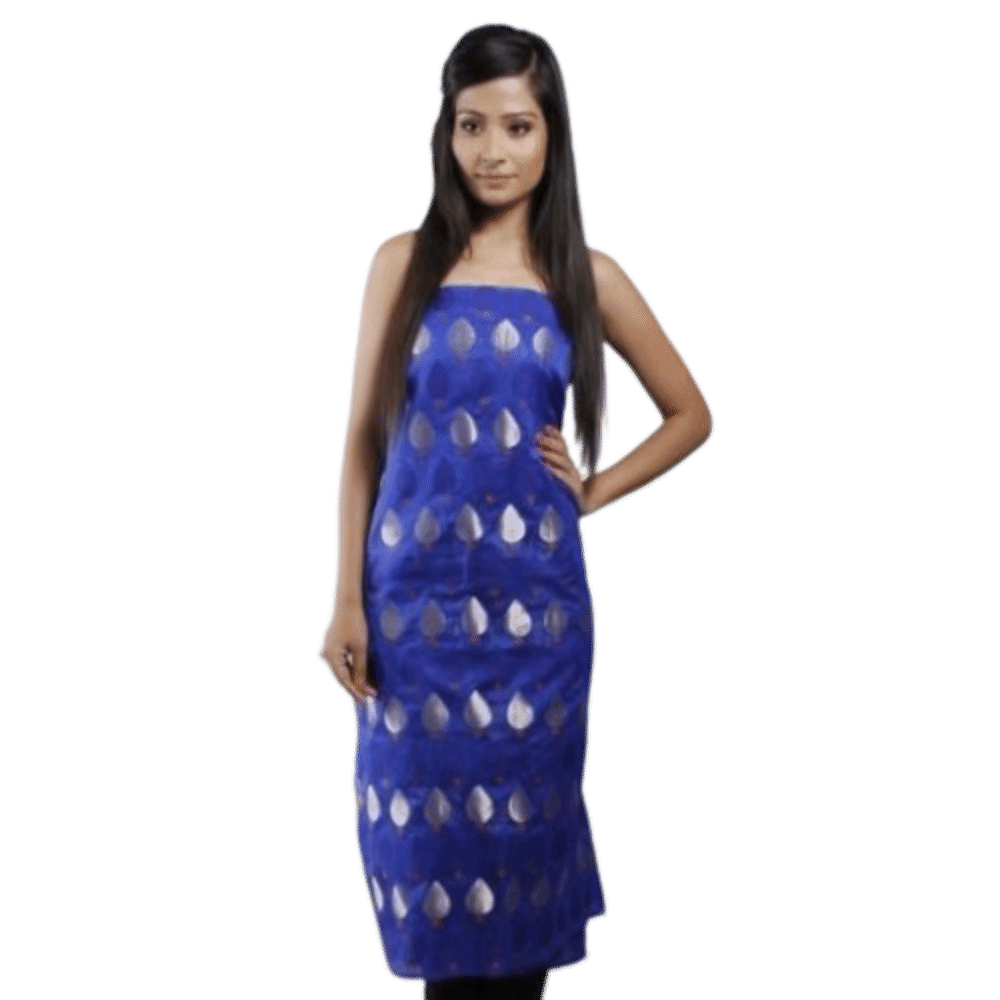 Kehri · Designer KurtisBeige & Blue Unstitched Chanderi Silk Kurta
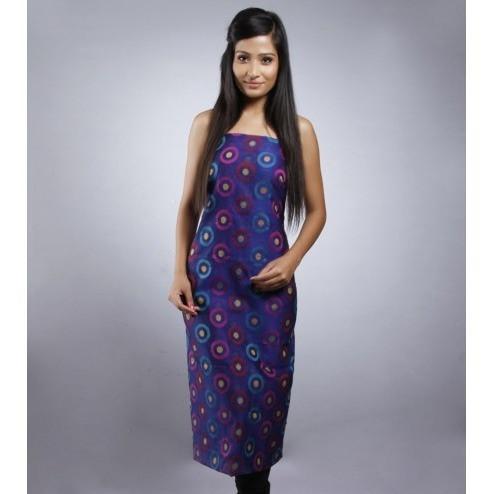 Kehri · Designer KurtisBlue & Purple Unstitched Chanderi Cotton Kurta
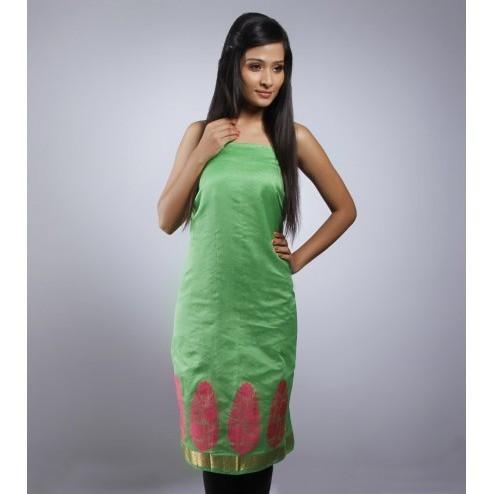 Kehri · Designer KurtisGreen Unstitched Chanderi Cotton Kurta
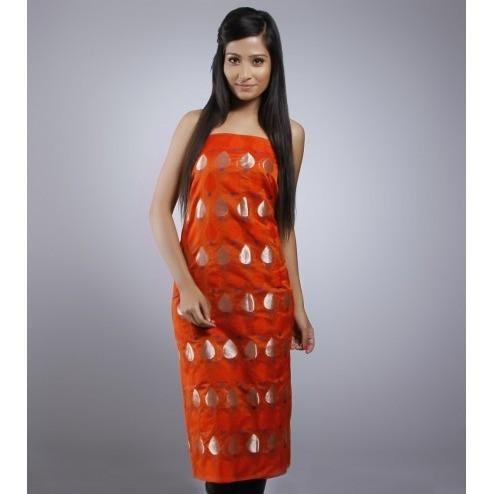 Kehri · Designer KurtisOrange Unstitched Chanderi Silk Kurta