
In this guide
Draw the gaps between laundry opportunities
List the nights you will spend in each place and the time you move on. A two night stay may allow one laundry cycle if you arrive early and leave late. A single night with an evening arrival and an early train may offer none. Ask your accommodation about laundry services, charges, collection cutoffs and turnaround. If staying with family, ask whether using their machine or drying space would be convenient rather than treating it as part of the invitation. An offer of help is lovely, but a working plan should not depend on surprising a host with a full suitcase of washing.
On paper, mark the longest period between reliable opportunities, including time for things to dry and come back to you. That period is the number you are dressing for. If there are four days before the first usable service, a plan based on washing every other evening is already short. Include an extra clean essential for a delay where possible. Separate everyday clothing from the wedding pieces that require specialist care. A laundry room available on Tuesday does not make an embroidered dupatta suitable for the same machine cycle as a plain washable cotton top.
Choose the items that earn a repeat
Take two everyday bottoms and lay out the tops you expect to wear with each. You do not need a perfect mathematical capsule. You need enough combinations that losing one top to a stain does not make half the wardrobe unusable. Check comfort for the actual journey: a kurta that is excellent for a short lunch may have a seam or closure that becomes uncomfortable on a long train ride. Try it seated with your bag at your side. If the fabric requires careful pressing before every wear, decide where that work would happen rather than imagining it will somehow look after itself.
Read the care labels of the finalists and group compatible items. Consider colour separation, drying method and whether embellishment needs special handling. Do not assume that every garment in a fibre category can be washed the same way. A printed cotton with attached trim may have different instructions from a plain cotton base layer. If an item can be cleaned only by a service you will not encounter, assign it one intended wear or leave it at home. Count a second use only if it remains clean and appropriate, not because the spreadsheet needs another outfit on Thursday.
Test a wash before making the suitcase depend on it
If a care label allows the method and you have worn and decided to keep the piece, clean it at home as directed before the trip. Notice how long it takes to dry under normal conditions and what it looks like afterward. A thick waistband or double layer may stay damp long after the visible surface feels dry. Your destination may be more humid or less ventilated, so give the estimate margin. Do not test a new treatment on a returnable garment or try to accelerate drying with an unsuitable heater just because the travel date is near.
Think about the facilities you would need to repeat the process. Is there somewhere suitable and permitted to hang a piece? Are you comfortable using a shared machine, and can you obtain an appropriate product locally? If you plan to use a commercial service, ask how items are identified and whether they can follow specific instructions. Keep delicate occasion wear out of a mixed everyday bundle. Write down what you hand over and count it when it returns. Discovering a missing trouser after leaving the city is more inconvenient than spending thirty seconds checking the returned bag at the counter.
Keep worn, damp and clean items distinct
Set aside an identifiable space for worn clothes so they do not get confused with the clean outfit for the next morning. Use an appropriate temporary container for transport, but do not leave damp fabric sealed for the rest of the journey. Unpack and deal with it as soon as suitable facilities are available. Keep wet shoes and leaking toiletries away from clothing, particularly the wedding garment you cannot easily replace. An ordinary spill in the daily section should not force an emergency cleaning decision about a special saree two hours before the ceremony.
When changing accommodation, pack the next day's essentials where they are easy to reach and check drying rails, wardrobe hooks and laundry receipts before leaving. A piece hung behind a bathroom door is remarkably easy to abandon during an early checkout. Add the number of items still at a service to your departure checklist. If the order is due back after you have to leave, ask about changing the arrangement while there is time. Do not send a garment away on the last evening simply because there is room left in a discounted laundry bag.
Set a reminder for collection before you hand over the laundry, not when you are already packing to leave. Include the service address and closing time so another traveller can help with collection if you have agreed that in advance.
Leave yourself a realistic failure option
Suppose a service is closed, rain slows drying or an item comes back later than planned. Which clean piece could carry you through the next day? A plain comfortable top that works with both bottoms may offer more value than a third decorative layer. If buying something locally is part of the backup, budget for it and consider whether shops will actually be open where you are staying. Some trips justify carrying one extra outfit because the inconvenience of finding a replacement would be considerable. Packing light is a preference, not an obligation to spend a family visit looking for a laundry service.
After the journey, separate the occasion pieces for the care they need and record what happened to the everyday plan. Which item dried more slowly than expected? Which bottom worked with every top? Did you spend money on urgent cleaning to save the weight of one small layer? Those observations make a better packing list for the next visit than a generic instruction to take fewer things. The useful travel wardrobe is the one that gives you a clean, comfortable choice each morning and still leaves time for the people and places you travelled to see.
 Kehri · Designer KurtisBeige & Blue Unstitched Chanderi Silk Kurta
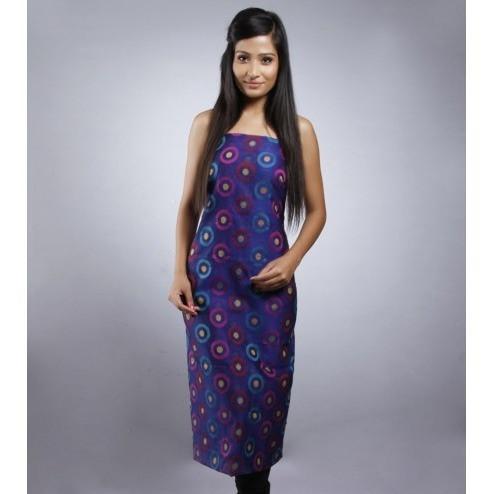 Kehri · Designer KurtisBlue & Purple Unstitched Chanderi Cotton Kurta
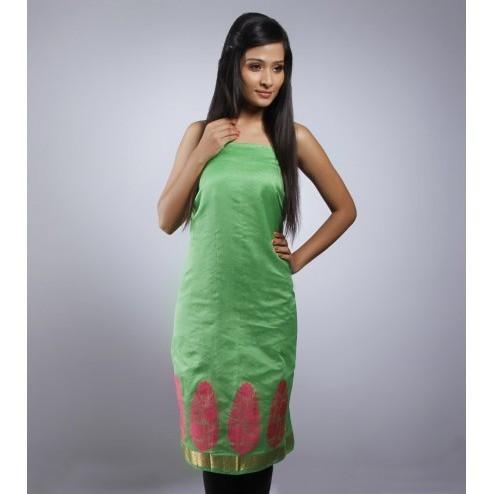 Kehri · Designer KurtisGreen Unstitched Chanderi Cotton Kurta
 Kehri · Designer KurtisOrange Unstitched Chanderi Silk Kurta