
In this guide
Start with a week you have already lived
Look at the last full working week and write down what you wore. Mark the days with a long commute, an important meeting or a room that was much colder than expected. Which garment did you reach for as soon as it was clean? Which one looked right but stayed on the hanger because it needed a different bottom or a garment underneath? This record tells you more about your own needs than a list of compulsory wardrobe staples.
Choose one kurti and one bottom that have already earned their place. Use those as your reference for length, sleeve opening, colour and ease. You are not trying to buy identical copies. You are identifying the features that make a garment easy to choose on a busy morning. If the best feature is that the sleeves stay out of the way at a keyboard, make that a buying criterion. If it is that the garment works beneath a jacket, take the jacket along to a fitting.
Build pairs rather than a row of pretty tops
Lay out two bottoms and three tops. Make only the combinations you would actually wear to your workplace. Six theoretical outfits may become three useful ones if the lengths or colours fight. Identify the missing link. One plain trouser that works with all three tops can be a better next purchase than a fourth printed top. Add a wrap only if it serves a purpose such as warmth, coverage or a change for a meeting.
Leave room for the exception
Keep the ordinary working day separate from the occasional celebration. A heavily decorated piece that you wear once a year may be worth keeping, but do not count it as one of the pieces that must get you through a normal week. Likewise, a favourite everyday kurti can become festive with earrings you already own. Try that version before buying a special outfit for an event that lasts an hour. Write the combinations that worked on a note inside the wardrobe. The point is not to turn getting dressed into administration. It is to do the thinking once on a quiet afternoon so that, on a wet Tuesday with a train to catch, you already know what goes with what.
Spend ten minutes in your work position
Sit at a table in the outfit, put your hands where your keyboard would be and reach for something on the far side. Check what the sleeve does near your wrist, whether the neckline changes when you lean forward and whether the hem bunches uncomfortably behind you. A beautifully fitted piece standing in a mirror may be less useful if you spend most of your working day seated. Try the garment with your usual chair height rather than posing on the edge of a stool.
Add the things that make a working day different from a fitting. Wear your identification lanyard, put on a cardigan and place your bag strap over the shoulder you normally use. If an embroidered panel rubs against the strap or a large pendant taps the table, you have learned something a product shot cannot show. Choose a simpler accessory or reserve that garment for a different day. Before deciding you need another outfit for meetings, stand up, put the cardigan back on and look at what is visible from across the table. Often a comfortable base and one deliberate detail do more work than an entire drawer of pieces that only look right standing still.
Give maintenance a place in the plan
Count the days between wearing a piece and being able to wear it again. That interval includes waiting for your next laundry day, drying, pressing if permitted, or collecting it from a cleaner. A capsule of three tops does not mean three useful tops if two are waiting for a cleaning method you rarely arrange. Check the care label on each piece instead of assuming that everything in one category can go into the same wash.
Keep a simple note of what can share a routine and what needs separate treatment. A pale scarf beside a deep coloured garment deserves particular attention to the instructions for both. Never assume that matching colours mean matching care needs. Decorative work, linings and trims can change what is suitable. Set aside a place to air or store a worn item appropriately until it can be cleaned. If you are considering a new piece, ask yourself exactly when in the coming week you could look after it. If the honest answer is not at all, it may be a lovely special occasion purchase but a poor everyday one. Making that distinction before checkout is easier than maintaining a wardrobe that always seems to be out of service.
Count wears between laundry days
Suppose you go into the office three days a week and can do the relevant laundry once a week. Try laying out three complete combinations with one spare top rather than buying five full sets. If two tops share the same trousers, decide whether your own comfort and care routine make that realistic. If they do not, your gap might be another bottom. If you already have several bottoms but only one compatible length of top, solve the opposite problem. Working from outfits worn reveals gaps that counting hangers conceals.
Write a sensible spending limit for filling the one gap and leave the rest alone for a month. At the end of that month, ask how often the addition was worn and whether it made other pieces easier to use. Divide its total cost, including necessary alterations, by those actual wears if a number helps you compare. Do not use a fantasy of wearing something hundreds of times to justify a purchase you already suspect is wrong. A comfortable work top that proved useful several times can teach you what to look for next. An attractive bargain that never completed a workday has taught you something too, provided you do not buy another one just like it.
Keep one simple outfit ready for the morning when the planned one fails. That reserve need not be a separate new purchase. It can be the plain top and trousers you already trust, stored together rather than divided between drawers. A dependable reserve makes a small wardrobe more flexible because a missed wash or unexpected meeting no longer sends you shopping in a hurry.
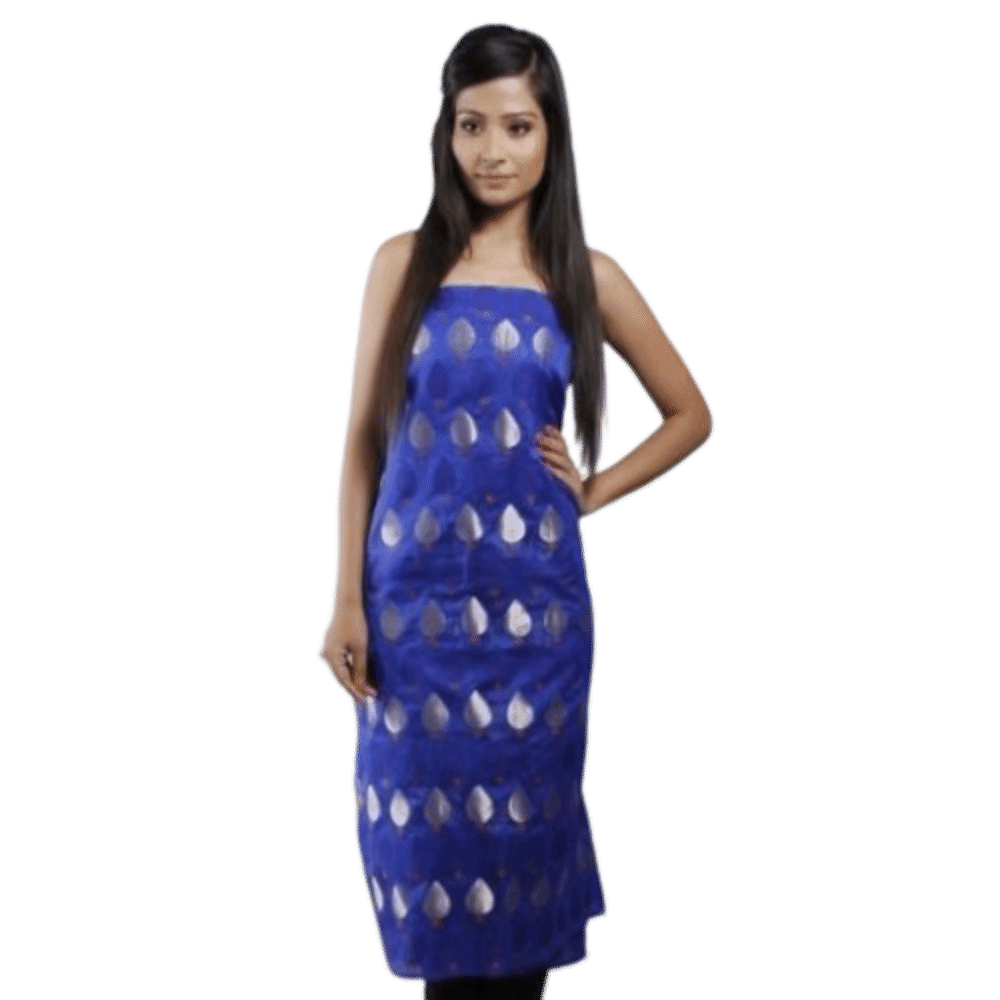 Kehri · Designer KurtisBeige & Blue Unstitched Chanderi Silk Kurta
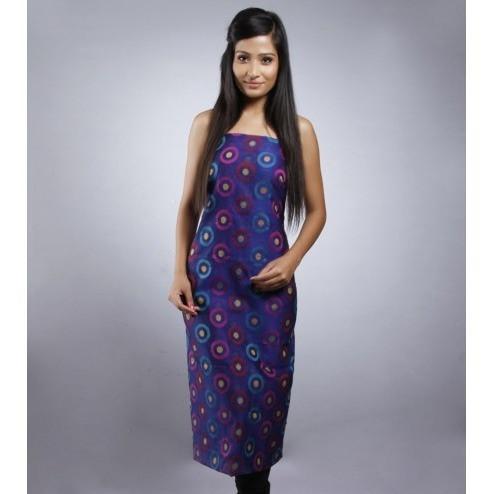 Kehri · Designer KurtisBlue & Purple Unstitched Chanderi Cotton Kurta
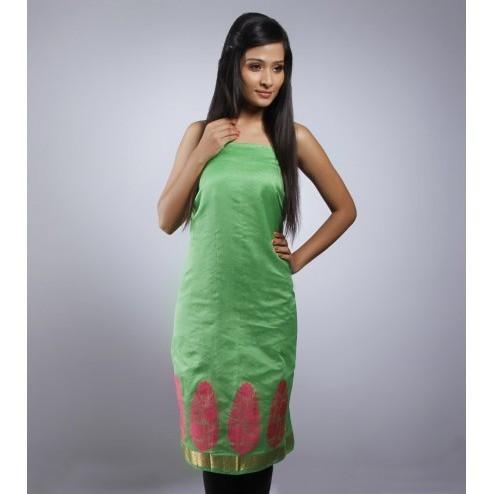 Kehri · Designer KurtisGreen Unstitched Chanderi Cotton Kurta
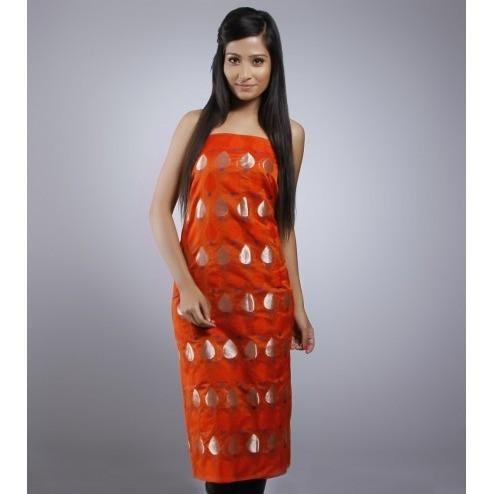 Kehri · Designer KurtisOrange Unstitched Chanderi Silk Kurta